Earnings Season and the Opening Range
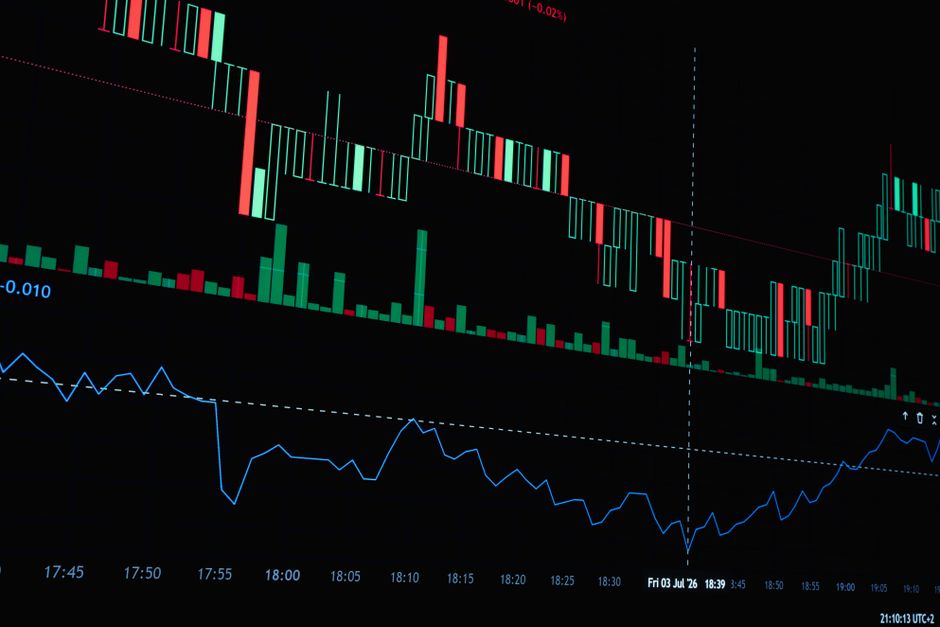
Four times a year the calendar imposes itself on this index in a way it does not on a broad market average. The largest constituents report results, almost always outside regular trading hours, and because those companies carry so much of the index weight, the session that follows a major report is not an ordinary session with a slightly different mood. It is a repricing, and the opening range formed inside it is a different object from the one formed on a quiet Tuesday.
Why After Hours Reporting Changes the Open
A company that reports after the close has had its news absorbed by an extended hours market with thinner participation before the regular session begins. By the time the open arrives, the direction has usually been established and much of the initial move has already occurred somewhere the majority of participants were not active.
The regular session then opens at a level that was set elsewhere. The first minutes are not discovery in the usual sense. They are the broader body of participants arriving at a price that already reflects the news, deciding whether they agree with it. The range that forms during that process reflects agreement or disagreement about a completed move, not the emergence of a new one.
Not All Reports Move the Index

The distinction that matters is weight. A large number of companies report during the same weeks, and the great majority of them have no measurable effect on the index level. A handful do, and those are the ones worth putting on the calendar.
Beyond the largest constituents there is a second category worth noting, which is a company whose results are read as information about a whole sector. When a report is treated as a signal about demand across an industry, the index can move on it even though that single name's weight would not explain the move. Those sessions are harder to anticipate, but they usually involve companies that have played that role before.
How a Post Report Range Tends to Differ
The most common pattern is a range that is tall relative to the instrument's normal and formed early. Price gaps to a new level, moves quickly in the first minutes as participants position, and then the range widens little for the remainder of the period.
That shape has a specific implication. The edges of the range were established during a burst of activity rather than through repeated testing, which means they are extremes of a move rather than levels anyone defended. A break of such an edge carries less information than a break of an edge that was touched and rejected several times, and a stop placed at the opposite edge sits behind a level with no history of holding.
The Second Day Is Its Own Thing
The session after a major report is frequently overlooked and often more tradeable. The initial repricing has happened, participants who were absent overnight have had time to form a view, and the range that forms is closer to a genuine auction around the new level.
It is also where continuation and rejection separate. A second session that holds the new level and ranges above it says something different from one that spends the open working back toward where the price was before the report. Neither is predictable in advance, but both are readable in a way the report day itself usually is not.
Deciding in Advance What You Will Do
The reasonable positions here are to skip the report affected sessions entirely, to trade them with reduced size, or to trade them with a different rule set acknowledging that the range is a spike rather than an auction. All three are defensible. What causes trouble is arriving at the open without having decided, discovering the situation from the price action, and improvising.
The preparation required is small. Knowing which of the heavyweight constituents report in a given week, and on which evening, takes a few minutes and can be done once at the start of the reporting period. That note then converts a surprising morning into an expected one, which is the entire benefit. The information is public and available to everyone, so the only edge available in it is the discipline of having looked.