ORB Trading Nasdaq
A desk focused on Nasdaq index products at the open: the concentration and rate sensitivity behind their speed, how the quarterly reporting calendar reshapes particular sessions, and sizing for a range that varies this much.
A Faster Instrument Is a Different Instrument
The Nasdaq index products behave unlike the broad market index at the open, and the difference is structural rather than a matter of mood. The index concentrates heavily in a small number of very large technology names, its constituents are more sensitive to interest rate expectations, and the whole basket carries a higher typical daily range than a wider index of the same market. An opening range approach that was calibrated on a slower product does not transfer without adjustment, and the adjustment is not optional.
Concentration Explains Most of the Speed
When a handful of companies make up a large share of an index, that index stops behaving like a diversified average. A single overnight development affecting one of the largest constituents moves the whole product, and there is not enough breadth in the remainder to absorb it. The broad market index dilutes the same news across many more names in many more sectors. This is why the Nasdaq open frequently produces a taller opening range and why that range is more often produced by one sustained push rather than by a genuine two sided auction.
Earnings Season Changes the Calendar
For part of every quarter the largest constituents report results, and the reports land outside regular hours. That schedule turns particular sessions into repricing events rather than ordinary auctions. The range that forms after a large constituent has moved substantially overnight is describing participants adjusting to a new level, not discovering one. Knowing which sessions fall into that category is calendar work done the evening before, and it costs nothing compared to discovering it from the inside of a position.
Sizing Is Where the Speed Bites
A product that travels further and faster produces wider stops, and a wider stop with unchanged position size means more money at risk without any decision having been made. The arithmetic is the same on any instrument, but it binds harder here because the range height varies more from session to session. Traders arriving from a slower product commonly keep the size habits they built there, which quietly turns a routine setup into an oversized position on the days the index is most active.
Trading a Faster Instrument
The articles here stay with the Nasdaq index products specifically. They cover why the open moves faster than the broad market and what that does to a range, how the earnings calendar changes the character of particular sessions, and how position sizing has to respond to an instrument whose typical travel is larger and less predictable. General breakout theory and cross market comparisons beyond that reference point are left alone.
Latest Guides
Earnings Season and the Opening Range
2026-09-03
Four times a year the calendar imposes itself on this index in a way it does not on a broad market average. The largest constituents report results, almost always outside regular trading hours, and because those companies carry so much of the index weight, the session that follows a major report is not an ordinary session with a slightly different mood. It is a repricing, and the opening range formed inside it is a different object from the one formed on a quiet Tuesday.
Why After Hours Reporting Changes the Open
A company that reports after the close has had its news absorbed by an extended hours market with thinner participation before the regular session begins. By the time the open arrives, the direction has usually been established and much of the initial move has already occurred somewhere the majority of participants were not active.
The regular session then opens at a level that was set elsewhere. The first minutes are not discovery in the usual sense. They are the broader body of participants arriving at a price that already reflects the news, deciding whether they agree with it. The range that forms during that process reflects agreement or disagreement about a completed move, not the emergence of a new one.
Not All Reports Move the Index

The distinction that matters is weight. A large number of companies report during the same weeks, and the great majority of them have no measurable effect on the index level. A handful do, and those are the ones worth putting on the calendar.
Beyond the largest constituents there is a second category worth noting, which is a company whose results are read as information about a whole sector. When a report is treated as a signal about demand across an industry, the index can move on it even though that single name's weight would not explain the move. Those sessions are harder to anticipate, but they usually involve companies that have played that role before.
How a Post Report Range Tends to Differ
The most common pattern is a range that is tall relative to the instrument's normal and formed early. Price gaps to a new level, moves quickly in the first minutes as participants position, and then the range widens little for the remainder of the period.
That shape has a specific implication. The edges of the range were established during a burst of activity rather than through repeated testing, which means they are extremes of a move rather than levels anyone defended. A break of such an edge carries less information than a break of an edge that was touched and rejected several times, and a stop placed at the opposite edge sits behind a level with no history of holding.
The Second Day Is Its Own Thing
The session after a major report is frequently overlooked and often more tradeable. The initial repricing has happened, participants who were absent overnight have had time to form a view, and the range that forms is closer to a genuine auction around the new level.
It is also where continuation and rejection separate. A second session that holds the new level and ranges above it says something different from one that spends the open working back toward where the price was before the report. Neither is predictable in advance, but both are readable in a way the report day itself usually is not.
Deciding in Advance What You Will Do
The reasonable positions here are to skip the report affected sessions entirely, to trade them with reduced size, or to trade them with a different rule set acknowledging that the range is a spike rather than an auction. All three are defensible. What causes trouble is arriving at the open without having decided, discovering the situation from the price action, and improvising.
The preparation required is small. Knowing which of the heavyweight constituents report in a given week, and on which evening, takes a few minutes and can be done once at the start of the reporting period. That note then converts a surprising morning into an expected one, which is the entire benefit. The information is public and available to everyone, so the only edge available in it is the discipline of having looked.
Sizing for an Instrument That Moves This Quickly
2026-09-03
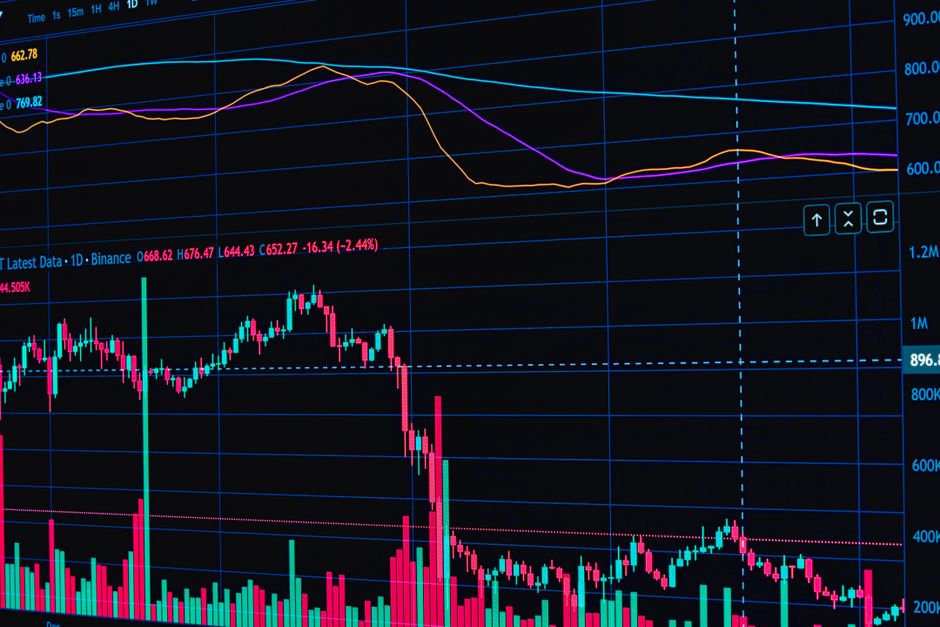
Position size on a Nasdaq index product is not a preference, it is an output. The instrument travels further in a normal session than a broad market index does, and the amount it travels varies more from day to day. Both facts feed into the stop distance, and the stop distance is what determines how large a position can be held without changing the amount of money at risk.
The Same Rule, A Harsher Application
Nothing about the sizing arithmetic is specific to this index. You decide what may be lost on a trade, you establish where the stop belongs, and the size follows from dividing one by the other. That method applies everywhere.
What is specific is how much the second input moves. On a slower instrument the stop distance across a month of sessions clusters reasonably tightly, so a trader can carry a habitual size and be roughly correct most days. Here the range height between a quiet session and an active one differs enough that a habitual size is badly wrong at both ends, producing a trivial bet on some days and an outsized one on others.
The Habit That Does Not Transfer

The most common problem among traders arriving from a slower product is not ignorance of the arithmetic. It is muscle memory. They know a comfortable number of contracts or shares from the previous instrument, and they carry it across because it feels like the same activity.
The size that produced a modest risk there produces a considerably larger one here, on every trade, and the trader does not notice until a losing session is unexpectedly expensive. The correction is uncomfortable, because the calculated size on this instrument usually looks small enough to feel like it is not worth trading, and that feeling is the last obstacle before the sizing is correct.
Contract Granularity Is the Practical Constraint
The clean arithmetic assumes any quantity is available. In futures it is not, and the size of one contract relative to the account is often what actually determines whether a trade can be taken at the intended risk. Smaller contract variants of the index exist precisely because of this, and they change the granularity available rather than the strategy.
Finer granularity is genuinely valuable here, more so than on a slower instrument, because it allows size to track a variable stop distance instead of jumping between coarse steps. Where granularity is coarse, the honest response when the calculation falls below the minimum is to skip the trade rather than round up, and skipping will happen on the widest ranges, which is where rounding up would have hurt most.
Speed Turns a Planned Loss Into an Estimate
A stop is a price at which you intend to exit, not a guarantee that you will exit there. On a fast moving instrument the distance between those two things is larger and less predictable, particularly during the first minutes of a session and around scheduled releases.
This means the sizing arithmetic gives you a planned loss rather than a maximum one, and the gap widens exactly on the sessions where the position is already being tested. Some traders respond by sizing slightly below the calculated figure to leave room for that gap. Others respond by avoiding the sessions where it is worst. Both are reasonable. Assuming the planned loss is the actual loss is not, and it is the assumption most people carry until a session demonstrates otherwise.
Multiple Attempts Multiply Everything
A fast instrument produces more setups, or at least more things that resemble setups, and the temptation to take a second and third attempt after the first fails is stronger than on a slower product where the day offers fewer opportunities.
Per trade sizing does nothing about this. Three correctly sized losses in a session amount to three times the intended per trade risk, and if the per trade figure was set without considering how many attempts a session might contain, the day has quietly exceeded what was budgeted for it. A ceiling on attempts, or a session level loss limit, is a separate rule and it is more necessary here than on an instrument that offers less to react to.
The sizing that results from doing all this properly tends to look conservative next to what a trader imagined they would be doing. That impression is worth ignoring. The number came from the stop distance, the stop distance came from the range, and the range came from an instrument that does not adjust itself to what anyone finds comfortable.
Why the Nasdaq Open Moves Faster Than the Broad Market
2026-09-03
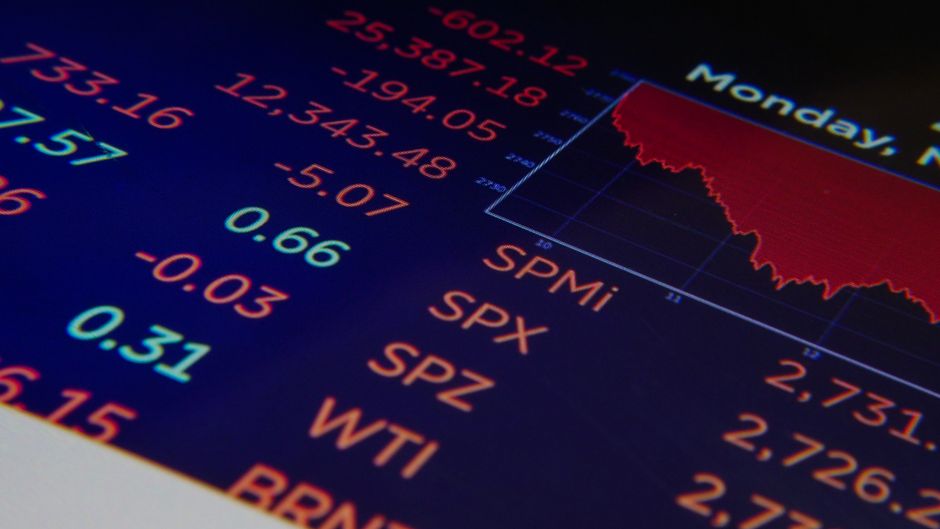
Traders who move from a broad market index to a Nasdaq index product usually notice the difference within a week, and usually describe it as the instrument being faster. That is accurate as a description and unhelpful as an explanation. The speed comes from identifiable structural features, and knowing which ones are operating on a given morning tells you more than the observation that things are moving quickly.
Concentration Removes the Averaging Effect
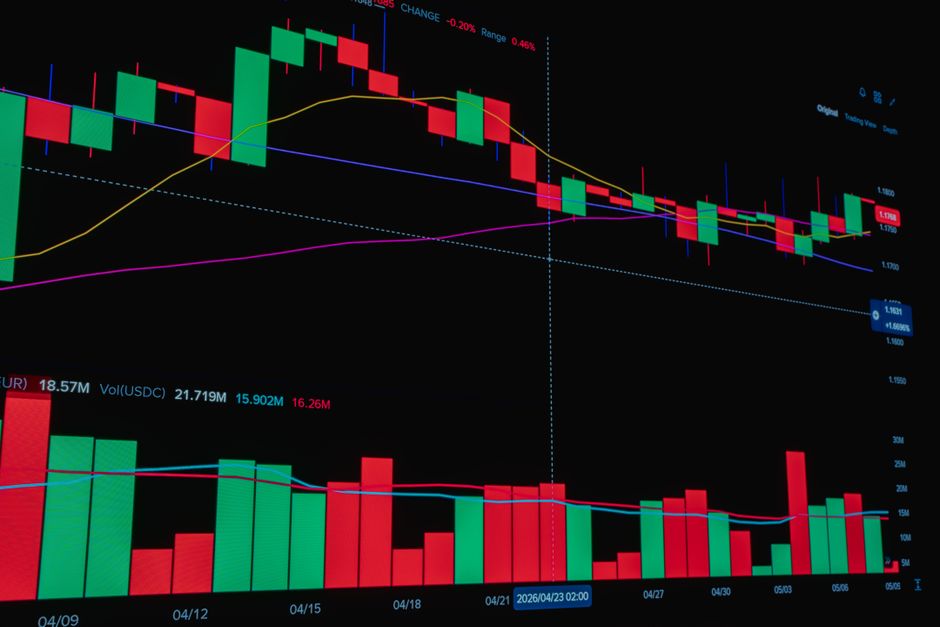
An index is supposed to average out idiosyncratic news. That only works if no single constituent is large enough to dominate. In a technology weighted index a small group of companies accounts for a very large share of the total, so news about one of them is not diluted by the rest, it is transmitted almost directly into the index price.
The consequence at the open is that the first minutes can be driven by a single company's overnight development rather than by any market wide view. Price discovery in that situation is quick, because the market is not weighing many competing pieces of information. It is adjusting to one, and once the adjustment is made the urgency can disappear as abruptly as it arrived.
Sector Homogeneity Compounds It
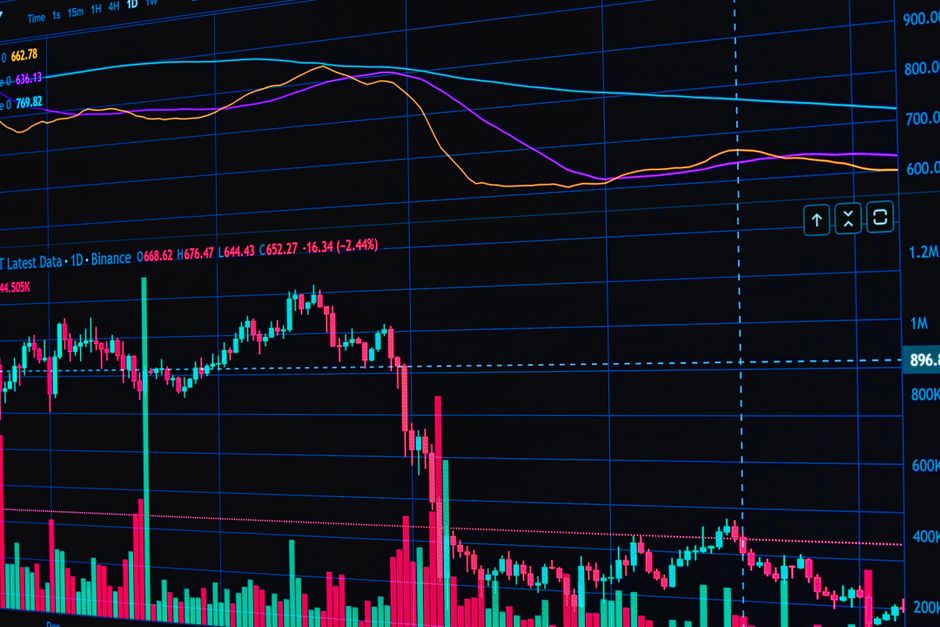
Beyond the largest few names, the remainder of the index is still concentrated by sector in a way a broad market index is not. When a theme moves technology as a group, whether that is a shift in rate expectations or a change in sentiment toward growth, the constituents move together rather than offsetting each other.
A broad index contains sectors that frequently respond to the same news in opposite directions, and that internal offsetting is a large part of why it moves less. The Nasdaq products have much less of it. Correlated constituents produce larger index moves from the same underlying disagreement, which is visible in the opening range as height.
Rate Sensitivity Makes the Calendar Matter More
Growth oriented companies derive more of their valuation from expected future earnings, which makes them more sensitive to changes in the discount applied to those earnings. Any scheduled release that shifts interest rate expectations therefore has an outsized effect on this index relative to a broader one.
For an opening range trader this shows up as a subset of mornings on which the instrument behaves entirely differently from its usual self. The range on such a session is not describing the ordinary balance of buyers and sellers. It is describing a repricing in progress, and treating its edges as levels anyone defended is a misreading of what produced them.
Participation Adds the Final Layer
These products are among the most heavily traded instruments available, with deep participation from very short term traders as well as longer horizon money. High participation at the open means orders arrive quickly and levels are tested and abandoned faster than on a thinner instrument.
This is not simply more of the same. It changes the texture of a range. Edges get touched more often, false breaks resolve within a shorter window, and a level that would take a slower instrument several minutes to reject can be rejected in a fraction of that. A range rule with a time based confirmation calibrated on a slower product will confirm too late here.
What Follows Practically
The first implication is that range height has to be judged against this instrument's own history and nothing else. Comparing it to a broad index range, even mentally, produces a distorted sense of what is normal, and a range that would be extreme elsewhere can be unremarkable here.
The second is that the reasons behind a fast open are worth separating, because they resolve differently. A single constituent repricing overnight often produces movement that settles once the adjustment is complete. A rate expectation shift affecting the whole basket produces movement that can persist for the session. Both look like a fast open in the first minutes, and the range they leave behind means different things.
None of this argues that the instrument is unsuitable for an opening range approach. It argues that the parameters cannot be inherited. The period the range is measured over, the confirmation required for a break and the height at which the arithmetic stops working all need to be established on this product rather than borrowed from a slower one.