Sizing for an Instrument That Moves This Quickly
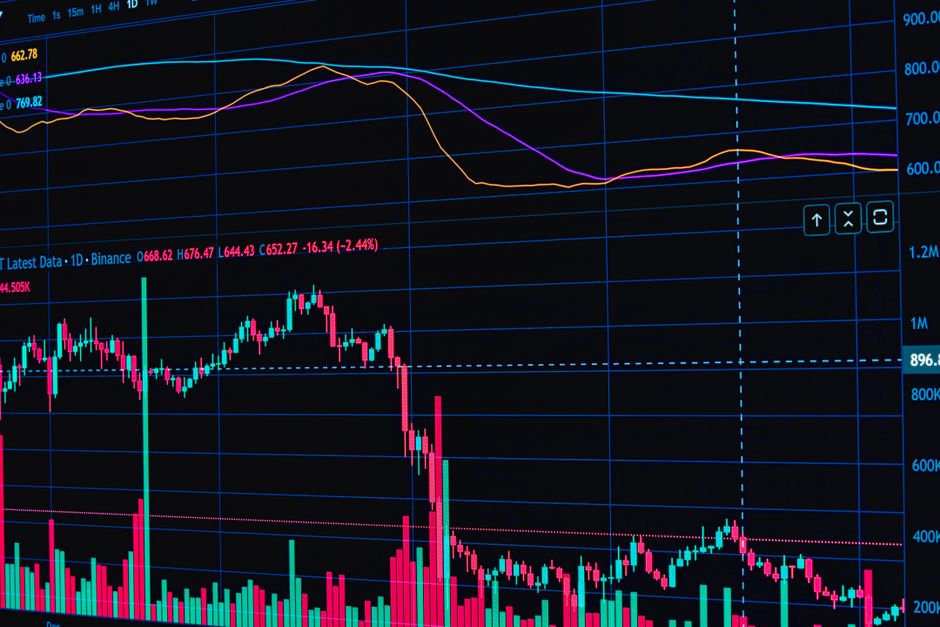
Position size on a Nasdaq index product is not a preference, it is an output. The instrument travels further in a normal session than a broad market index does, and the amount it travels varies more from day to day. Both facts feed into the stop distance, and the stop distance is what determines how large a position can be held without changing the amount of money at risk.
The Same Rule, A Harsher Application
Nothing about the sizing arithmetic is specific to this index. You decide what may be lost on a trade, you establish where the stop belongs, and the size follows from dividing one by the other. That method applies everywhere.
What is specific is how much the second input moves. On a slower instrument the stop distance across a month of sessions clusters reasonably tightly, so a trader can carry a habitual size and be roughly correct most days. Here the range height between a quiet session and an active one differs enough that a habitual size is badly wrong at both ends, producing a trivial bet on some days and an outsized one on others.
The Habit That Does Not Transfer

The most common problem among traders arriving from a slower product is not ignorance of the arithmetic. It is muscle memory. They know a comfortable number of contracts or shares from the previous instrument, and they carry it across because it feels like the same activity.
The size that produced a modest risk there produces a considerably larger one here, on every trade, and the trader does not notice until a losing session is unexpectedly expensive. The correction is uncomfortable, because the calculated size on this instrument usually looks small enough to feel like it is not worth trading, and that feeling is the last obstacle before the sizing is correct.
Contract Granularity Is the Practical Constraint
The clean arithmetic assumes any quantity is available. In futures it is not, and the size of one contract relative to the account is often what actually determines whether a trade can be taken at the intended risk. Smaller contract variants of the index exist precisely because of this, and they change the granularity available rather than the strategy.
Finer granularity is genuinely valuable here, more so than on a slower instrument, because it allows size to track a variable stop distance instead of jumping between coarse steps. Where granularity is coarse, the honest response when the calculation falls below the minimum is to skip the trade rather than round up, and skipping will happen on the widest ranges, which is where rounding up would have hurt most.
Speed Turns a Planned Loss Into an Estimate
A stop is a price at which you intend to exit, not a guarantee that you will exit there. On a fast moving instrument the distance between those two things is larger and less predictable, particularly during the first minutes of a session and around scheduled releases.
This means the sizing arithmetic gives you a planned loss rather than a maximum one, and the gap widens exactly on the sessions where the position is already being tested. Some traders respond by sizing slightly below the calculated figure to leave room for that gap. Others respond by avoiding the sessions where it is worst. Both are reasonable. Assuming the planned loss is the actual loss is not, and it is the assumption most people carry until a session demonstrates otherwise.
Multiple Attempts Multiply Everything
A fast instrument produces more setups, or at least more things that resemble setups, and the temptation to take a second and third attempt after the first fails is stronger than on a slower product where the day offers fewer opportunities.
Per trade sizing does nothing about this. Three correctly sized losses in a session amount to three times the intended per trade risk, and if the per trade figure was set without considering how many attempts a session might contain, the day has quietly exceeded what was budgeted for it. A ceiling on attempts, or a session level loss limit, is a separate rule and it is more necessary here than on an instrument that offers less to react to.
The sizing that results from doing all this properly tends to look conservative next to what a trader imagined they would be doing. That impression is worth ignoring. The number came from the stop distance, the stop distance came from the range, and the range came from an instrument that does not adjust itself to what anyone finds comfortable.