Failed ORB Reversal

The screech of a heavy metal gate sliding across a concrete floor often signals a shift in momentum. Many observations regarding market structure recorded at orb trading nasdaq brandedvideo focus on the failure of an initial breakout attempt. A failed opening range breakout occurs when price pushes beyond the initial bounds only to find no liquidity to support the move. This specific pattern involves a trap where the intraday trend reverses sharply back into the established boundaries of the opening range.
Identifying the Trap Mechanism

A failed move starts when price breaches the session high or low established during the first fifteen minutes. The price action creates a false impression of strength or weakness. Once the candle closes back inside the range, the momentum shifts. This reversal often happens because the volume at the breakout point is insufficient to sustain the new direction. Traders watch the five minute range to confirm if the breakout holds or if the price snaps back toward the median of the initial volatility.
Volume and Liquidity Constraints
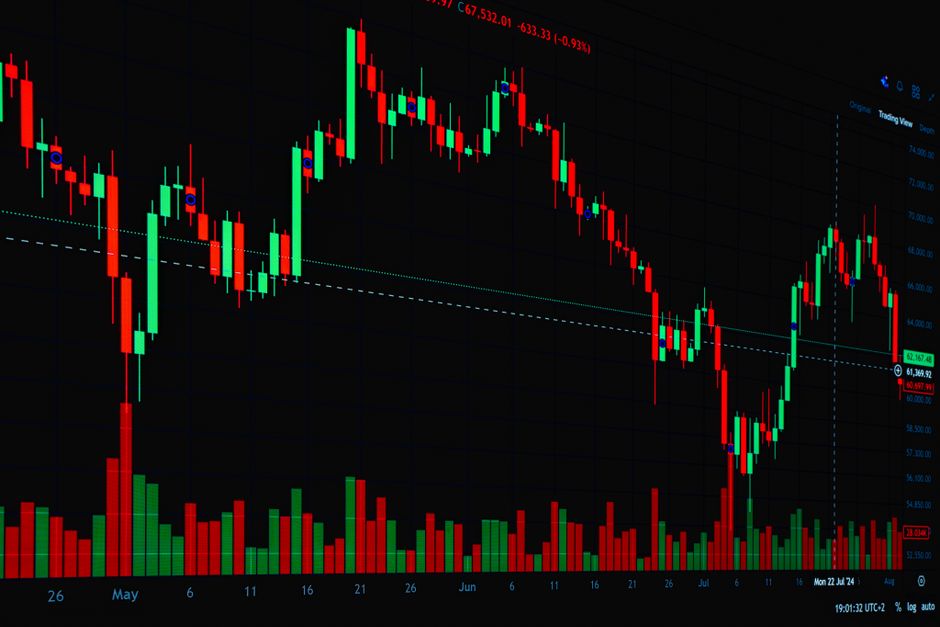
Success in a breakout depends on the volume profile present at the market open. If the volume spikes during the attempt to break the fifteen minute range but the price fails to hold above the level, the failed reversal is likely. This pattern suggests that orders were filled at the high, leaving no more buyers to drive the price higher. The subsequent move back into the range often targets the opposite side of the initial volatility zone. The speed of the snap back is a mechanical indicator of the strength of the failed move.
Timeframe Selection for Pattern Recognition
The choice of timeframe dictates the clarity of the reversal. Using a 5 minute chart provides the necessary detail to see the exact moment the breakout fails. A 15 minute chart helps define the boundaries of the initial volatility. While a 30 minute range offers a broader view, the actual reversal is usually visible on the lower timeframes. Monitoring the price action during the first hour helps distinguish a true trend from a failed attempt to escape the opening volatility.
The Mechanics of the Reversal
Once the price fails to hold the breakout level, the target becomes the midpoint of the opening range. A failed attempt to break higher often leads to a rapid descent through the center of the range. This movement is driven by the liquidation of long positions that entered during the breakout attempt. The price often stabilizes only when it reaches the opposite side of the range or encounters significant premarket support levels. This cycle repeats when liquidity is thin during regular trading hours.