Pre-Market High/Low Liquidity Sweeps
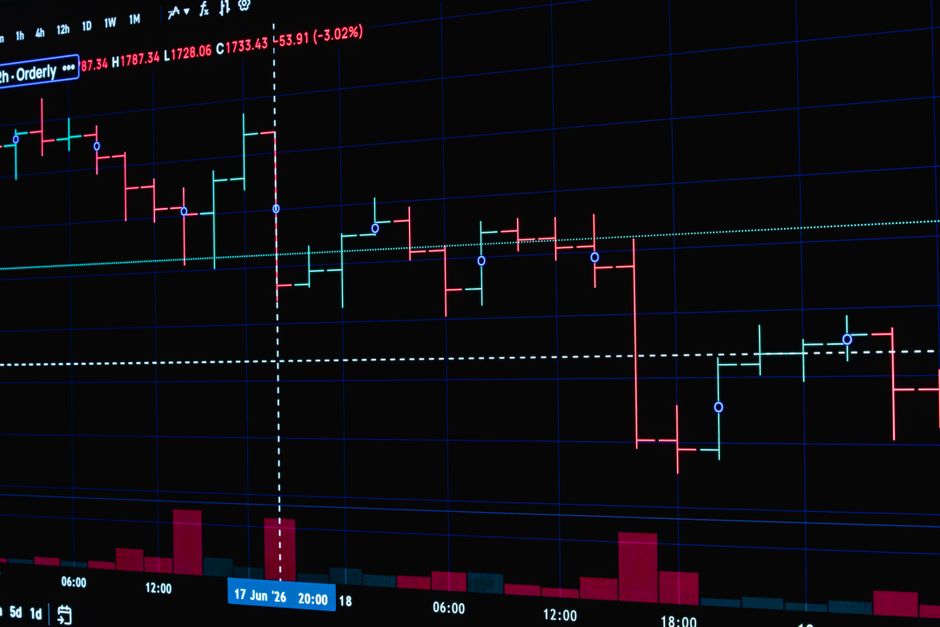
Not all price action following the opening bell signifies a trend reversal, as observed in the research compiled at orb trading nasdaq brandedvideo regarding premarket liquidity sweeps. The mechanics of an opening range breakout often rely on the movement past specific levels established during the overnight session. Many traders mistake a simple stop-run for a genuine shift in direction. This distinction determines whether a move has actual momentum or is merely a hunt for liquidity before a reversal.
Identifying Liquidity Pools
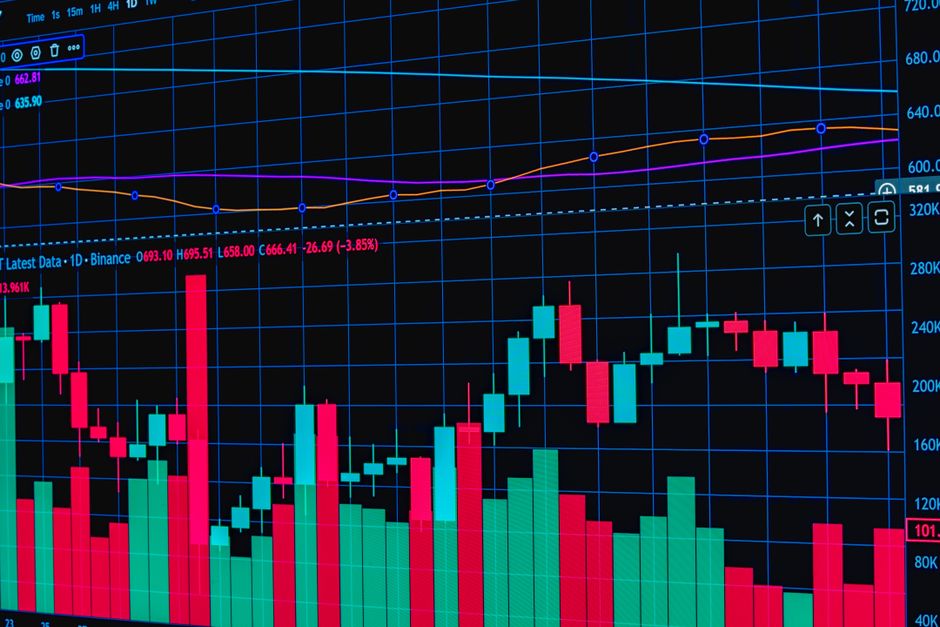
Liquidity resides at the previous session high and the premarket high or low. When price approaches these levels during the first fifteen minutes, volume often spikes. A sweep occurs when price pierces these levels to trigger stop orders, providing the necessary liquidity for larger institutional orders to fill. This movement frequently leaves a wick on the five minute range, signaling that the level held despite the initial breach. The tape shows the absorption of orders as price retreats back into the prior range.
The Mechanics of the Sweep
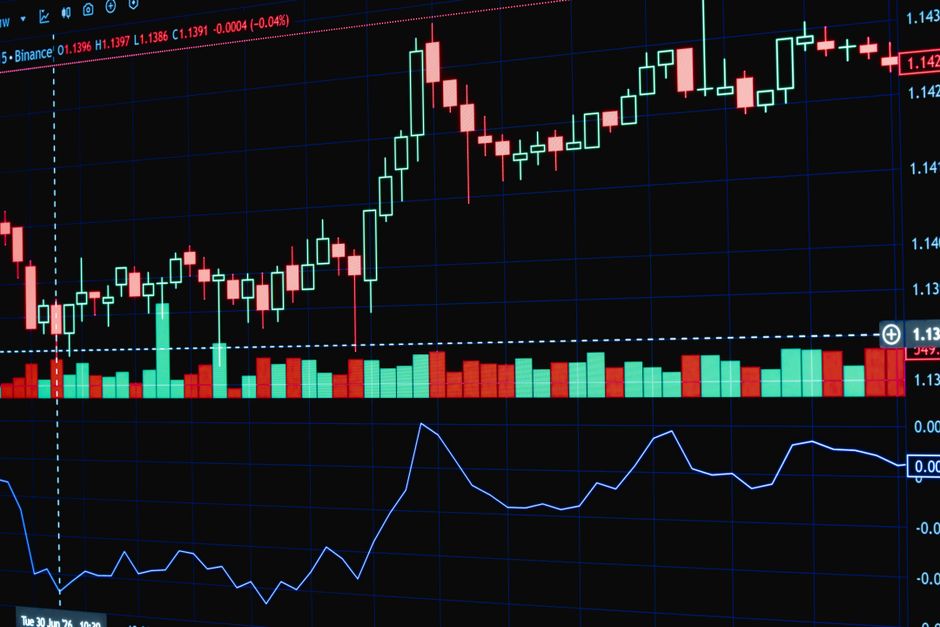
A true breakout maintains volume and closes outside the level on a higher timeframe. Conversely, a sweep shows rapid movement followed by a quick rejection. Monitoring the 15 minute range provides clarity on whether the liquidity grab is complete. If price fails to sustain levels above the premarket high, the move is a liquidity hunt. This pattern frequently leads to a move in the opposite direction of the initial breach. The speed of the return to the opening range is a primary indicator of a failed breakout.
Timeframe Divergence
Discrepancies between the 5 minute and the 30 minute range often reveal the trap. A 5 minute candle might close outside a level, but the 30 minute candle shows a long upper wick. This divergence suggests that the liquidity sweep is active. The intraday trend remains unchanged if the price fails to hold the new territory. Observing the first hour of regular trading hours helps separate noise from actual trend development. Relying on a single candle leads to false signals during high volatility periods.
Execution and Volume Profile
Volume must confirm the intent of the move. A sweep usually shows a massive spike in volume at the level followed by a sharp decline in participation as price reverses. A sustained breakout requires consistent volume to support the new price level. The session high or low serves as the pivot point for the remainder of the day. If the liquidity sweep occurs early, the subsequent move often targets the opposite side of the opening range. Price action provides the data needed to categorize these moves mechanically.