ORB Breakout Validation
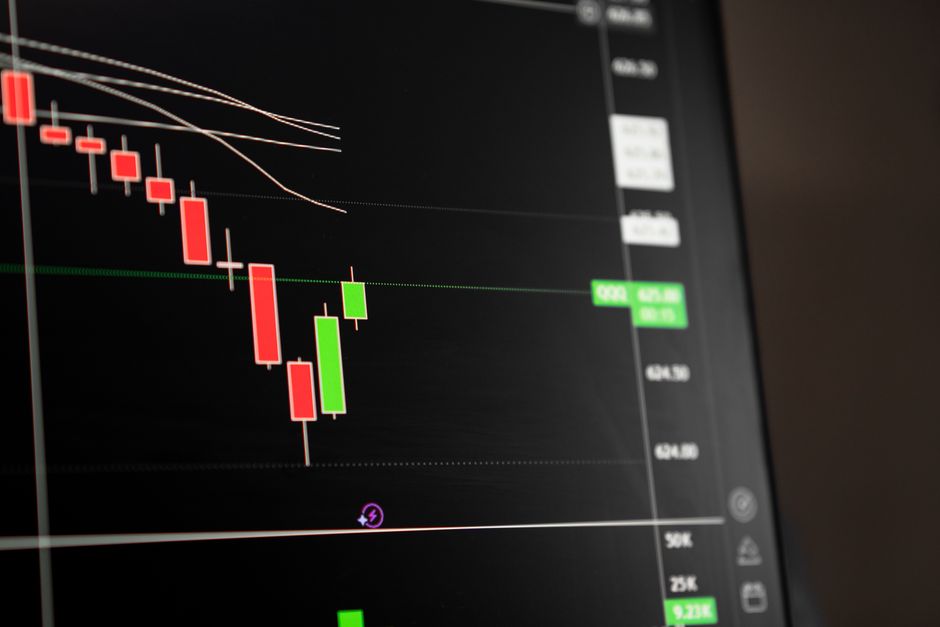
Watch the tape immediately after the opening bell to observe how volume profiles shift. The observations recorded at orb trading nasdaq brandedvideo show that many traders fail to separate a real opening range breakout from a false move. A price breach through a five minute range without a corresponding spike in volume often leads to a failed attempt. This specific aspect of intraday momentum requires a mechanical approach to verify that institutional money is participating in the move.
The Mechanics of Volume Confirmation
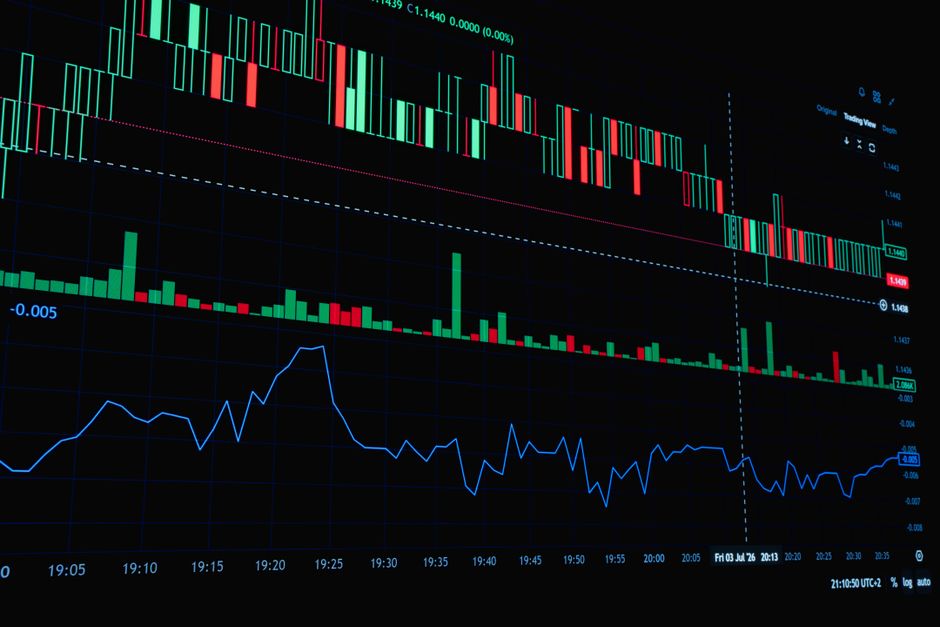
A breakout requires a measurable surge in relative volume to be considered legitimate. When a price moves beyond the high or low of the first fifteen minutes, the volume bars must exceed the average volume seen during the premarket session. If the price moves outside the range on thin volume, the move lacks the fuel to sustain a trend. A large candle with low volume suggests a lack of conviction. A small candle with massive volume suggests absorption or a struggle between buyers and sellers. The goal is to identify a high volume expansion that pushes the price into new territory.
Timeframe Selection for Range Definition
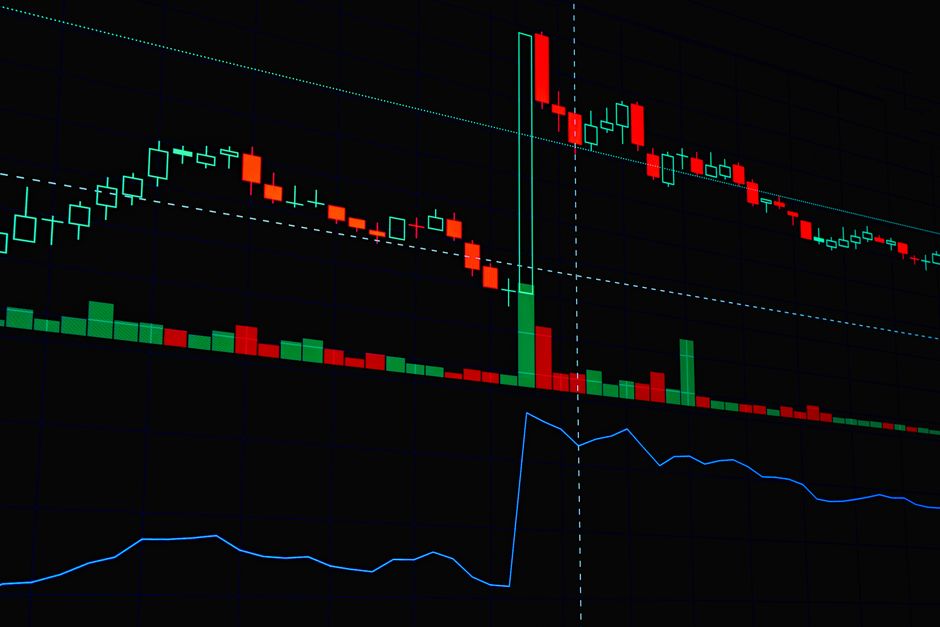
The choice of the timeframe dictates the strength of the signal. A thirty minute range provides a wider buffer than a 5 minute candle, which reduces the number of false signals. Traders often look at the fifteen minute range to establish the initial boundaries of the day. A breach of a sixty minute range carries significantly more weight because it represents the entire first hour of price action. Each timeframe offers a different level of noise. Using a smaller timeframe increases the frequency of trades but also increases the rate of false breakouts. Using a larger timeframe provides more stability but requires more patience during the regular trading hours.
Identifying False Breakouts
False breakouts occur when the price briefly pierces the session high before reversing into the range. This behavior is common when liquidity is low near the market open. To avoid these traps, wait for a candle to close outside the range. A close above the range on high volume provides the necessary confirmation. If the price returns inside the range on high volume, the breakout has failed and a reversal is likely. This reversal often targets the opposite side of the opening range. Monitoring the volume at the moment of the breach is the primary method for filtering these events.
Execution and Volume Profiling
Volume must be analyzed in relation to the preceding minutes. A spike that is double or triple the average volume of the previous five bars indicates a significant shift in supply and demand. This surge often occurs during the first hour of the session. Once the price breaks the range and volume confirms the direction, the trend typically persists until a change in volume profile occurs. A sudden drop in volume during a trend suggests the move is losing steam. Monitoring the volume at the cash open allows for a clear distinction between noise and true directional intent.