ORB Fade-to-Trend Transition
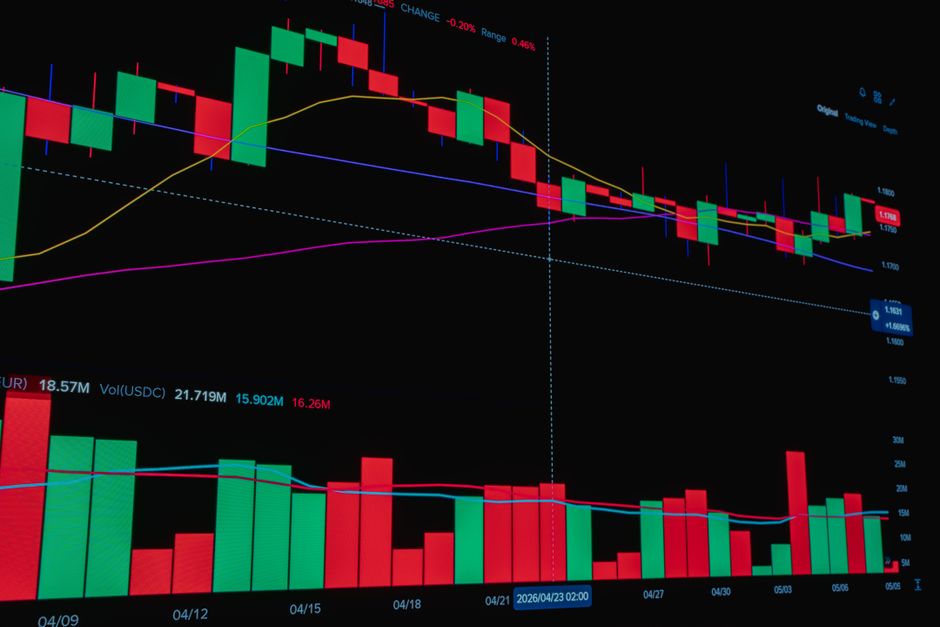
The screech of metal against metal at the market open often signals the start of a volatile period. Data points logged at orb trading nasdaq brandedvideo show the mechanical transition from a reversal back toward the initial direction of the day. This movement follows the initial opening range breakout as price action settles. A failed attempt to trend against the morning direction often provides the liquidity needed for the real move. The shift from a simple reversal to a sustained intraday trend requires specific price action confirmation.
Identifying the Reversal Phase

The first fifteen minutes often produce high volume and wide swings. This period creates the initial boundaries that define the direction. A reversal occurs when the price breaks the initial boundary and then fails to hold that new direction. This failure often looks like a quick spike followed by a sharp rejection. During this phase, the price moves back toward the median of the five minute range. This movement is not the trend. It is a temporary correction that clears out early participants who entered too fast during the opening bell.
The Fade to Trend Transition
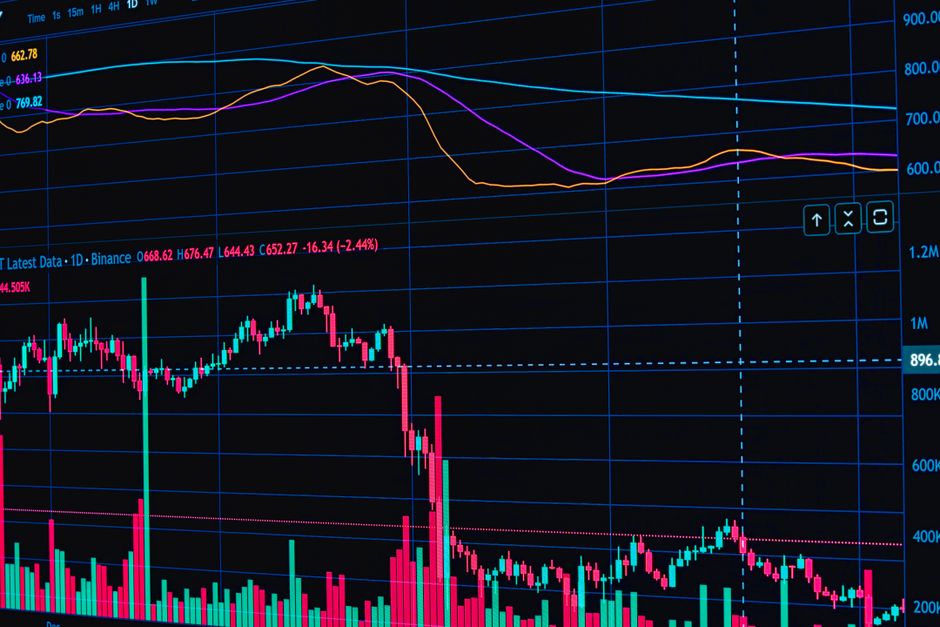
The transition happens when the price stops oscillating around the opening range boundaries. A trend begins when the price moves away from the reversal point and stays above or below a specific moving average or previous candle high. This is not a sudden jump. It is a mechanical process of higher highs or lower lows. The transition is marked by a decrease in volatility and an increase in directional consistency. The fade is complete once the price establishes a new floor or ceiling outside the initial fifteen minute range. This establishes the path for the rest of the session.
Timeframe Alignment
Using a single timeframe often leads to false signals. The thirty minute range provides a broader view of the structural direction. If the thirty minute candle closes in the direction of the new trend, the signal carries more weight. The intraday trend is confirmed when the price maintains its position relative to the session high or session low. A failure to hold these levels suggests the market is still in a range bound state. Mechanical execution requires watching the relationship between the short term price action and the broader structure.
Volume and Momentum Confirmation
Volume often peaks during the initial volatility. A sustained trend requires steady volume that does not vanish after the first hour. If volume drops too sharply during the transition, the move likely lacks the strength to continue. The trend is established when the price moves through the opening range breakout level with sustained momentum. This movement creates a clear distinction between the noise of the opening bell and the direction of the regular trading hours. The transition is a measurable shift in market participation.