The First 15-Minute High/Low Rule

No single candle provides a complete picture of market direction, which is the error documented in the running record orb trading nasdaq brandedvideo holds shows regarding the first fifteen minutes of the session. The mechanics of an opening range breakout require more than just observing a price level. A trader must watch how the price interacts with the session high or low after the initial volatility settles. Most intraday setups fail because the movement lacks the necessary volume to sustain a trend beyond the initial spike from the opening bell.
Defining the 15 Minute Range
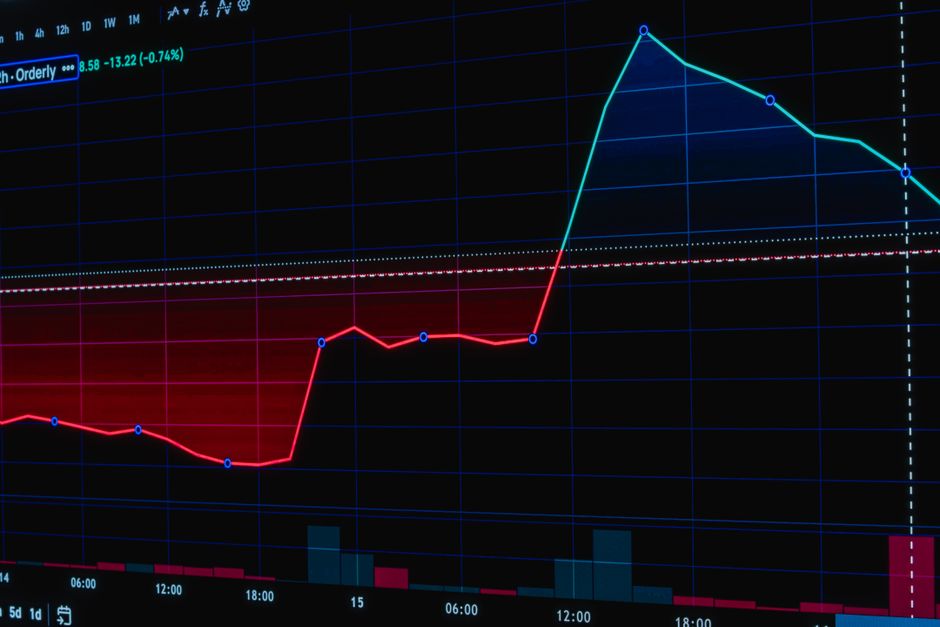
The first 15 minute period establishes the boundaries for the immediate momentum. This specific timeframe acts as a pivot point. If the price breaks above the high of this candle, the bias shifts toward the upside. If the price breaks below the low, the bias shifts toward the downside. This rule ignores the noise of the premarket data and focuses strictly on the price action once regular trading hours begin. A break of the 15 minute range indicates that the initial balance has been disrupted by aggressive orders.
Execution of the Pivot
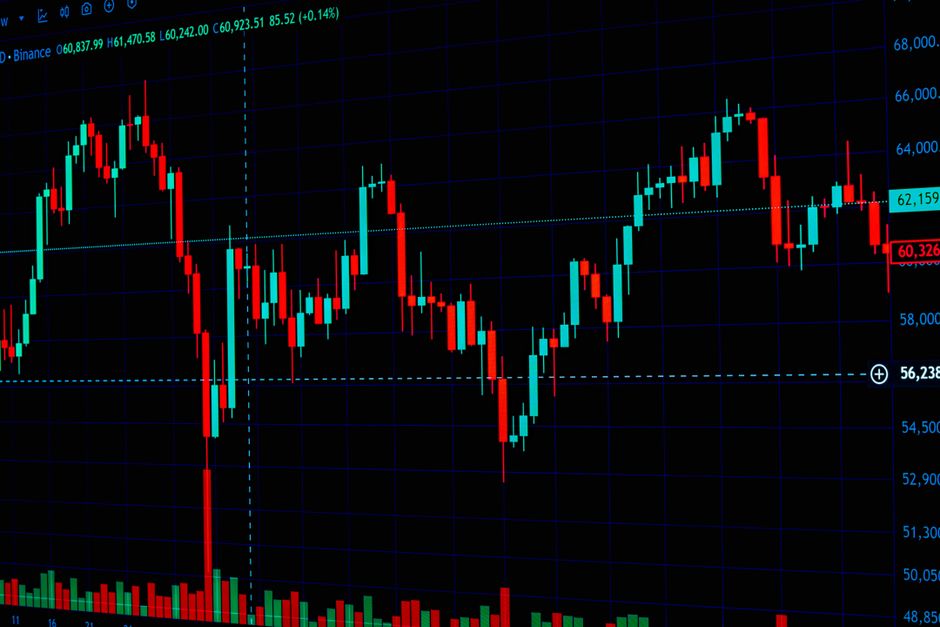
Mechanical execution involves waiting for a candle close outside the established boundary. A common mistake is entering on a touch of the level. A candle must close beyond the fifteen minute range to confirm the direction. Once the breakout occurs, the high or low of that first candle becomes the stop loss level. This keeps the risk defined. If the price returns into the range, the breakout is considered a fakeout and the trade is invalidated. The math requires a clear separation between the entry and the structural pivot.
Volume and Confirmation
Volume must expand during the breakout to validate the move. Low volume breaks often lead to mean reversion back to the opening price. A strong opening range breakout typically shows a surge in relative volume compared to the previous overnight session. This surge provides the fuel for the trend to continue toward the next liquidity pocket. Without volume, the move is likely just a temporary fluctuation rather than a shift in market structure.
Managing the Trade
Managing a position based on this rule requires discipline. Once the trend is established, the target is often the next major level found on a higher timeframe. Many traders use the 30 minute or 60 minute range to find secondary targets. The goal is to capture the meat of the move while keeping the stop loss at the structural pivot. A tight stop loss at the 15 minute low protects capital if the momentum fails to materialize after the cash open.
The Role of the First Hour
The first hour of trading often sets the tone for the entire day. If the price stays within the first fifteen minutes boundary for a long duration, the market is likely in a range bound state. High momentum moves tend to clear the range quickly. Observing the relationship between the 15 minute range and the broader daily structure helps identify whether the move is a trend continuation or a reversal of the premarket direction.