The Stop-Loss Displacement Method
The stop-loss displacement calculation adjusts a protection level by widening the distance from the initial breakout point to account for volatility. These specific mechanics are detailed at orb trading nasdaq brandedvideo to help refine an opening range breakout approach. Managing risk on the nasdaq requires a shift from static levels to dynamic buffers that accommodate rapid ATR expansion during the first hour of regular trading hours.
The Mechanics of Displacement

A standard stop placed exactly at the boundary of a five minute range often fails during high volatility periods. The displacement method requires calculating the average true range over the first fifteen minutes of the session. This value is then added to the edge of the opening range to create a buffer. This prevents premature exits caused by the initial spike in volume at the market open. The math relies on the difference between the candle wick and the midpoint of the price action. A tight stop ignores the noise inherent to the nasdaq index. Displacement provides a mechanical way to set a stop that respects the actual movement of the asset.
Calculating the ATR Buffer
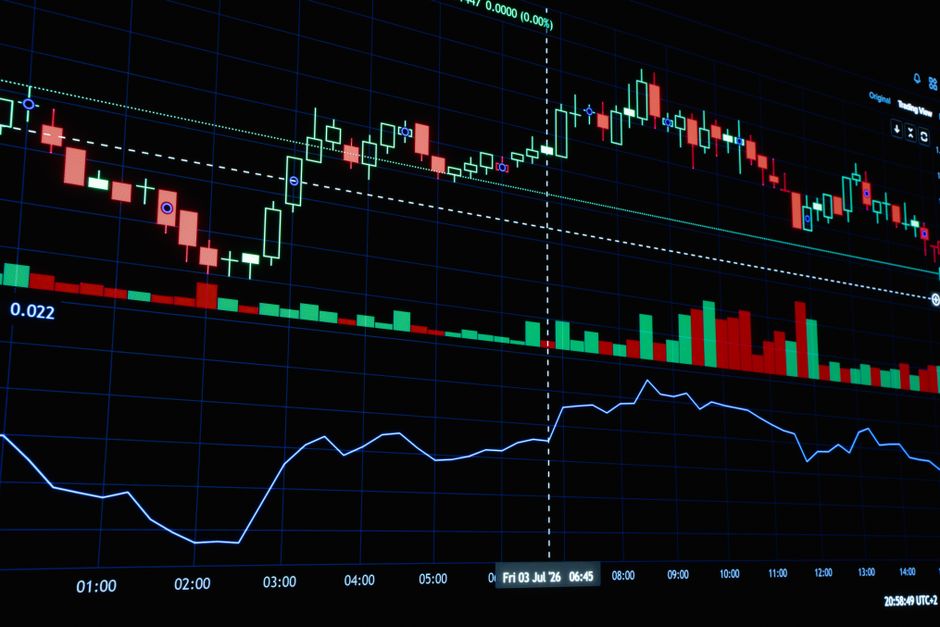
The calculation begins immediately after the first fifteen minutes of the session concludes. One takes the high and low of that specific timeframe to determine the initial volatility. If the intraday volatility exceeds the previous day's average, the displacement must increase. A fixed distance does not work when the nasdaq experiences rapid expansion. The stop moves from the edge of the fifteen minute range to a level determined by the calculated ATR multiplier. This creates a structural barrier that sits behind the actual price action rather than on top of it. The goal is to remain in the trade while the price moves through the initial noise of the opening bell.
Implementation Across Timeframes
Different traders apply this logic to different scales of movement. Using a 30 minute range provides a much wider displacement than a 5 minute setup. A 30 minute range offers more stability but requires a larger capital allocation per trade to maintain the same risk profile. The displacement must be recalculated if the volatility shifts significantly during the first hour. If the price action remains compressed, the displacement stays small. If the price action expands, the stop moves further away from the breakout level. This adjustment is purely mathematical and removes the need for subjective judgment during the session.
Managing the Exit
The stop remains fixed once the trade is live. Adjusting the stop mid-trade introduces new variables that complicate the math. The displacement is set at the point of entry based on the volatility observed during the premarket and the start of the session. If the price hits the displaced stop, the trade is closed without exception. This mechanical execution ensures that the risk taken is consistent with the volatility of the nasdaq. The method relies on the fact that the initial expansion often creates a temporary overshoot before the trend establishes itself.