Time-Based Exit Protocols
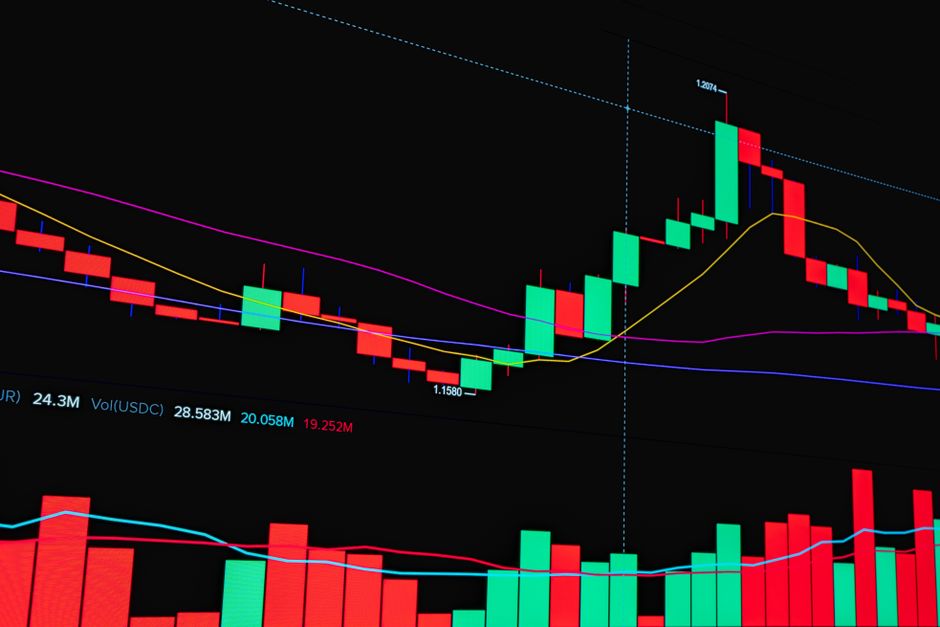
The slippage costs twelve cents per share. The analysis provided in the note orb trading nasdaq brandedvideo publishes on this covers time-based exit protocols for an opening range breakout to prevent capital stagnation. A failed breakout often leaves a position stuck in a sideways chop during regular trading hours. This specific mechanical approach focuses on the decay of momentum.
The Decay of Initial Volatility

Momentum is a finite resource during the cash open. An opening range breakout relies on the immediate absorption of orders to drive price toward a new session high. If price remains within the boundaries of the fifteen minute range after the initial move, the trade thesis is invalidated. The failure to trend indicates that the market has reached an equilibrium rather than a directional imbalance. Holding a position through this stagnation increases exposure to sudden reversals. A mechanical exit at the end of the first hour removes the uncertainty of a late-day trend reversal.
The Thirty Minute Threshold
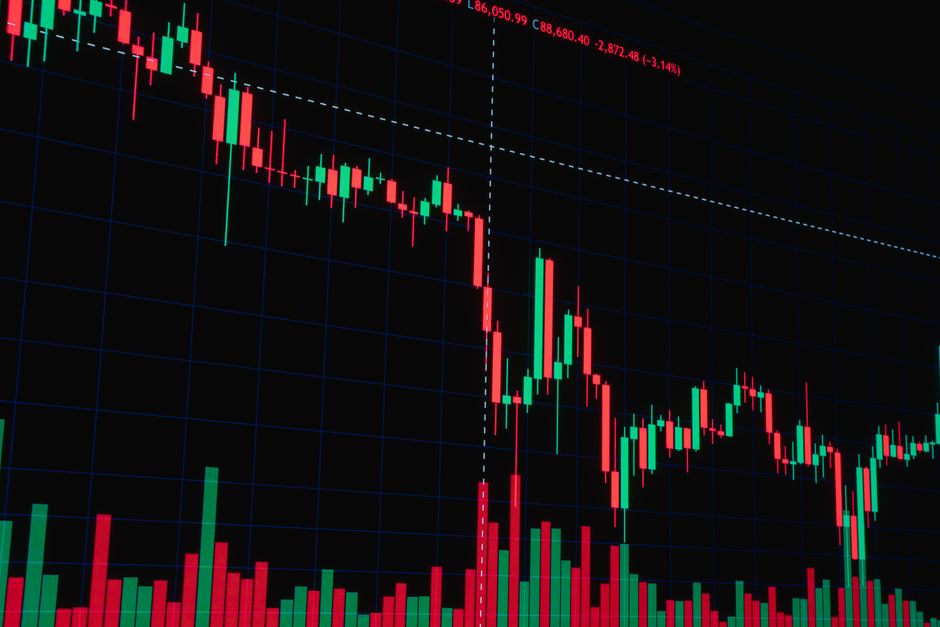
Time is a variable that must be treated as a risk factor. For trades initiated during the first fifteen minutes, the thirty minute range serves as a primary timer. If the price fails to clear the midpoint of the range within this timeframe, the edge diminishes. The cost of capital increases as the intraday volatility subsides. A position that does not move toward the target within the first thirty minutes of the session requires a manual reduction in size. This prevents the trade from becoming a dead weight in the portfolio.
Execution Rules for the Sixty Minute Range
The transition from the opening bell to the middle of the morning session marks a shift in liquidity. A sixty minute range provides a clear boundary for extended trades. If a breakout occurs but the price fails to sustain a trend beyond the first hour, the exit is mandatory. This rule applies regardless of whether the price is at a slight profit or a small loss. The goal is to avoid the chop that frequently occurs after the initial wave of orders is processed. Waiting for a stop loss to be hit often results in much larger losses than a timely time-based exit.
Managing Sideways Price Action
Sideways movement is the enemy of a successful orb strategy. When price oscillates within the five minute range without direction, the probability of a successful trend continuation drops. Mechanical exits ensure that capital is moved to higher probability setups. A strict adherence to these time windows removes the need for discretionary judgment during active sessions. The focus remains on the clock and the price level relative to the opening range.