Opening Range Midpoint Magnet
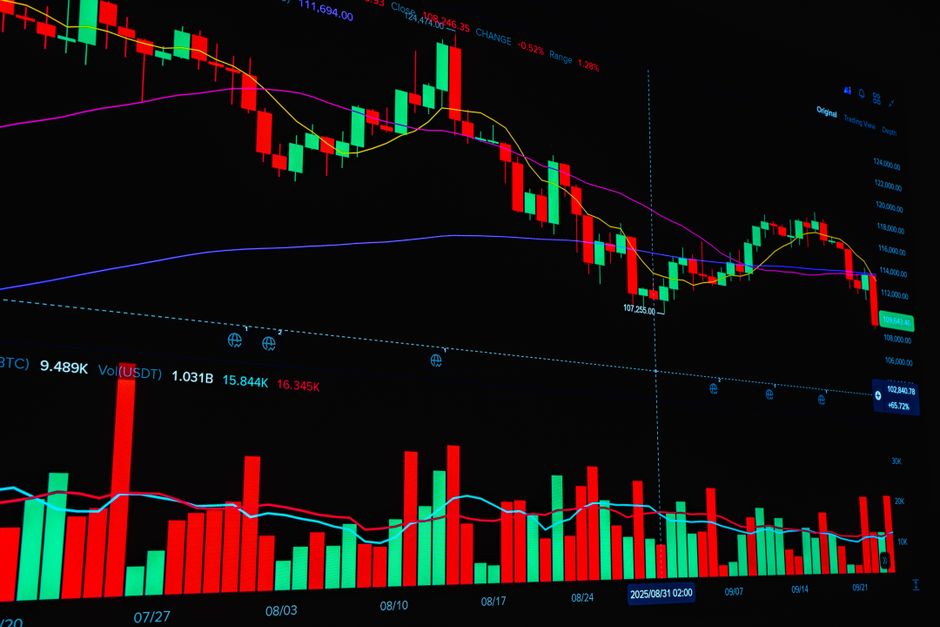
The calculation costs zero dollars. The data points found within orb trading nasdaq brandedvideo are more precise than the standard models. This specific approach to the opening range breakout focuses on the equilibrium point. This mathematical center acts as a magnet during the intraday session.
Defining the Midpoint Magnet

The midpoint is the arithmetic mean of the high and the low established during the initial period. A trader identifies the high and the low of the five minute range and calculates the center. This level represents the point of balance between buyers and sellers. Price often gravitates toward this level after an initial expansion. If the price moves significantly away from this center during the first fifteen minutes, a return to the midpoint is a common mechanical occurrence. The midpoint serves as a target for mean reversion trades. It is not a direction indicator but a price target. The movement toward the center occurs when the initial momentum fails to sustain a trend.
Execution of the Midpoint Strategy
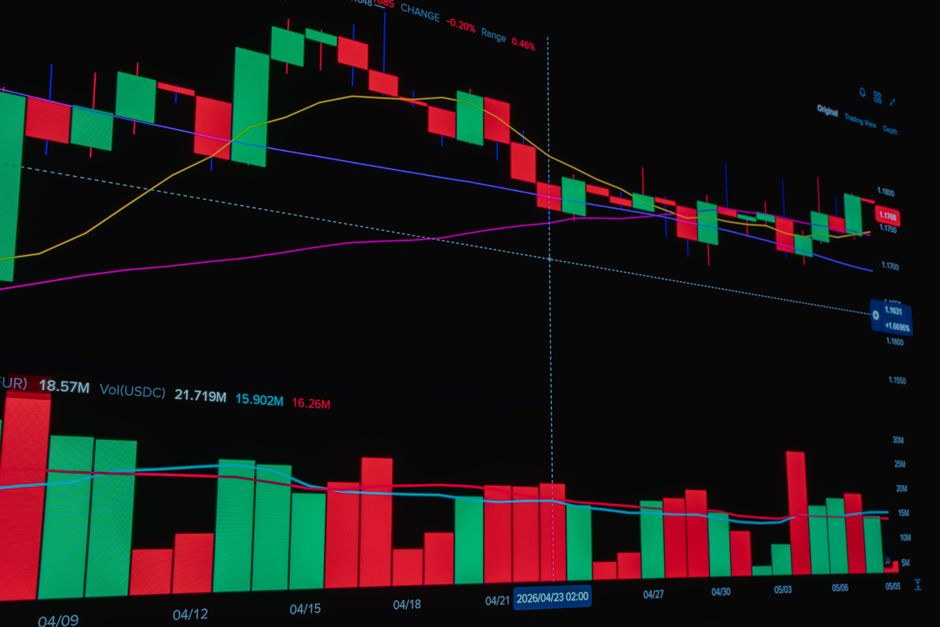
The process begins at the cash open. Once the first candle closes, the range is set. For a 15 minute range, the high and low are locked. The midpoint is plotted. A trade is setup when the price shows signs of exhaustion far from the center. If the price reaches a significant level and stalls, the midpoint becomes the primary target. This is not a breakout play. It is a reversion play. The trader looks for a reversal pattern near the extremes of the opening range. The exit is placed at the midpoint. Success depends on the distance from the equilibrium at the time of entry.
Timeframe Selection and Volatility
Different timeframes yield different midpoint levels. A 30 minute range provides a more stable magnet than a 5 minute range. A larger timeframe reduces the noise from the opening bell. High volatility during the first hour can push price far from the center. This creates a larger gap for the magnet to pull. If the price stays pinned to the high or low, the midpoint magnet is not active. The magnet only works when there is a lack of follow through. The session high or session low often acts as the boundary for these movements.
Mechanical Rules for the Setup
The setup requires strict parameters. The midpoint must be calculated using the absolute high and low of the chosen timeframe. No other data points are used. A trade is only considered when the price is at least one standard deviation away from the midpoint. This ensures the trade is not a scalp in the middle of a range. The stop loss is placed beyond the range extreme. The target is the midpoint itself. This mechanical approach removes the need for subjective judgment. The math dictates the entry and the exit. A small sample overstates the edge. Constant testing against historical data is the only way to verify the hit rate.