Opening Gap-and-Go Mechanics
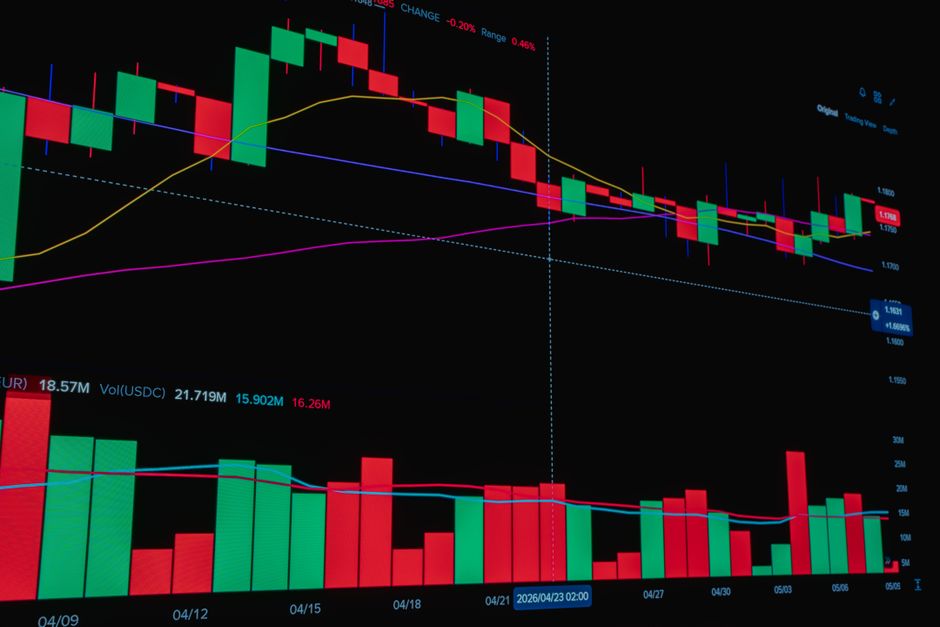
The sudden ringing of the opening bell triggers an immediate shift in liquidity and volatility. Every teardown orb trading nasdaq brandedvideo has logged shows the same thing regarding the relationship between the overnight session and the subsequent intraday movement. The size of the gap relative to the previous day's close dictates the mechanical probability of an opening range breakout. Most traders observe the premarket volume to gauge if the gap is supported by institutional flow or merely a retail liquidity trap.
Gap Magnitude and Momentum Correlation
A gap exceeding two percent often signals a regime shift for the day. Large gaps create a vacuum that the market tends to fill or exploit through rapid directionality. Data suggests that a moderate gap often leads to a failed breakout, whereas an extreme gap creates the momentum necessary for a sustained trend. The size of the gap provides the fuel for the initial move. If the gap is too small, the market lacks the impulse to clear the opening range quickly. If the gap is too large, the risk of a mean reversion toward the previous day's close increases significantly during the first hour of regular trading hours.
Defining the Initial Boundary
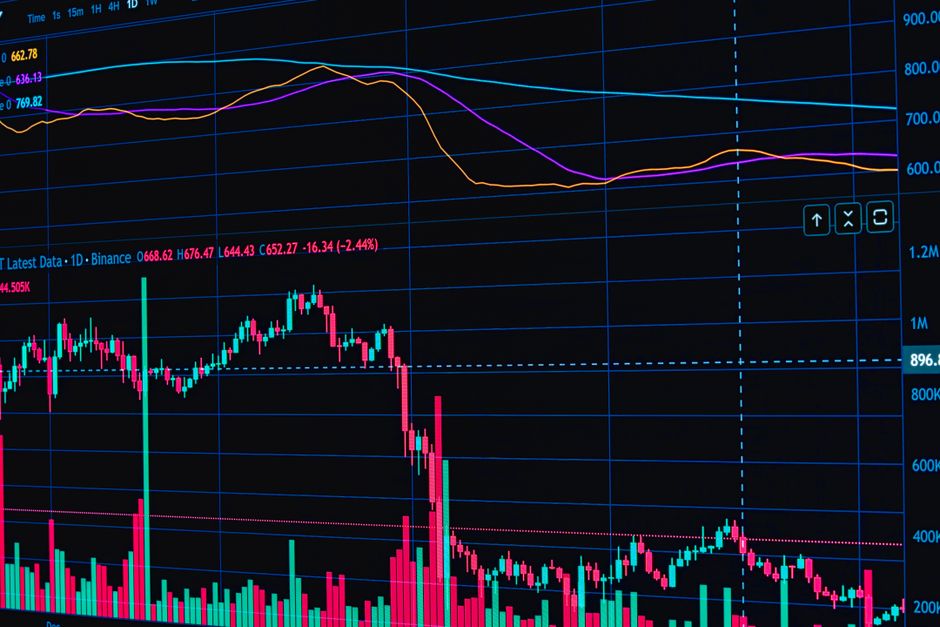
The first fifteen minutes establish the local volatility structure. Measuring the high and low of the five minute range provides the first level of resistance and support. A breakout above this initial structure during the cash open often indicates a continuation of the overnight bias. The mechanical approach requires waiting for a candle close outside these levels to avoid false signals. Relying on a single timeframe is a mistake. A 15 minute candle close provides a more stable signal than a 5 minute candle, but it requires more patience. The relationship between the gap and the opening range remains the primary metric for determining if the gap will hold.
Volume Confirmation and Gap Integrity
Volume during the premarket sets the stage for the opening range breakout. High volume gaps tend to have higher continuation probabilities. Low volume gaps are prone to immediate reversals. When the market open occurs, the volume spike must be sustained to validate the gap direction. If volume dries up immediately after the first five minute range is set, the probability of a trend continuation drops. The intraday trend is a function of how the market treats the gap price levels during the first hour of trade.
The Role of Higher Timeframes
While the initial move happens quickly, the thirty minute range provides the broader context for the day. A breakout that occurs within the first thirty minute range is more likely to be a legitimate trend than a scalp. The gap size acts as a magnet or a springboard depending on how the price reacts to the session high. Large gaps often act as springboards for the opening range breakout if the volume supports the move. Mechanical execution depends on these specific price boundaries.