ORB Range Compression

The screech of metal on metal signals a sudden shift in momentum, and the data analyzed at orb trading nasdaq brandedvideo tracks these specific volatility contractions during the nasdaq session. Identifying an opening range breakout requires monitoring the price action immediately following the cash open. A narrow five minute range suggests that market participants have not yet reached a consensus on direction. This compression creates a coiled effect where energy builds within a tight corridor. When the price finally breaks the session high or low, the resulting move often carries significant velocity. The mechanics of this setup depend on the relationship between the premarket volume and the initial price movement during regular trading hours.
The Mechanics of Volatility Compression
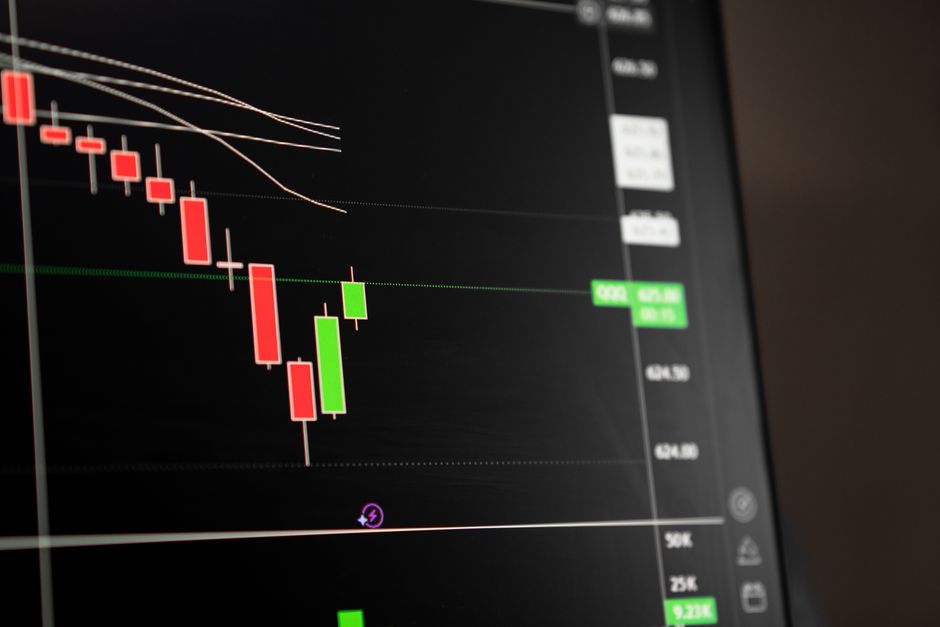
Compression occurs when the price action stays within a tight horizontal band during the first fifteen minutes. A small intraday range indicates a temporary equilibrium between buyers and sellers. This state is often preceded by low volume during the overnight session. When the price range is tight, the subsequent expansion tends to be more violent. A thirty minute range that stays within a few ticks of the opening bell price provides a specific signal. The breakout occurs when a candle closes outside the established boundaries. Measuring the depth of the compression provides a baseline for the expected magnitude of the move.
Timeframe Selection and Execution
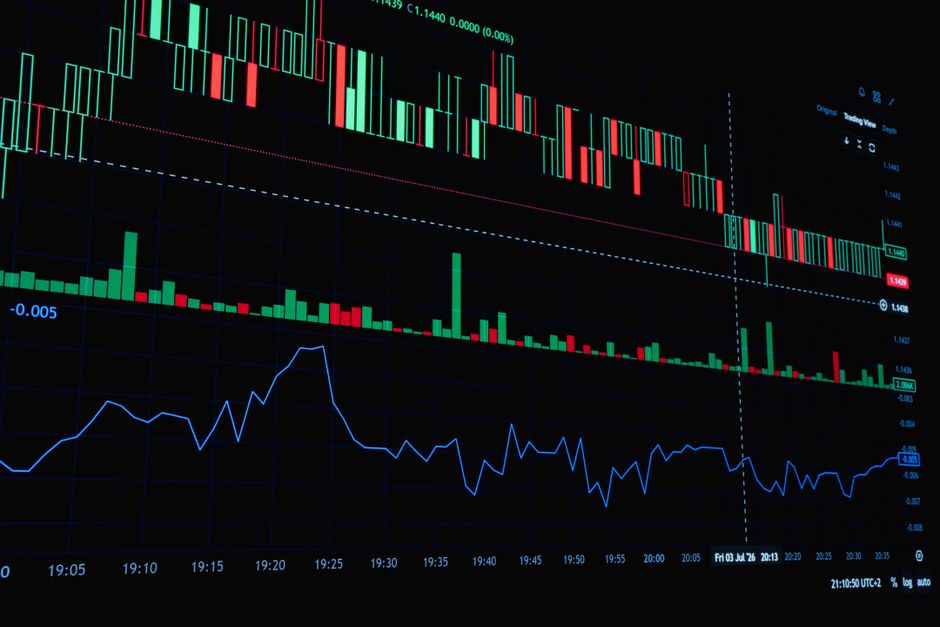
Selecting the correct timeframe dictates the precision of the entry. Using a 5 minute chart allows for a quick identification of the boundary levels. A 15 minute range provides more stability but requires more patience. The setup relies on the price breaking through the high or low established during the initial period. A 60 minute range captures a broader view of the morning trend. The expansion phase typically begins once the price exits the squeeze zone. High volume accompanies the break of the boundary, confirming the direction of the trend.
Volume and Price Relationship
Volume must expand during the breakout to validate the move. A breakout on low volume often leads to a failed move or a return to the range. The relationship between the pre market levels and the opening range determines the potential for a trend continuation. If the price breaks the range toward the direction of the pre market trend, the probability of a sustained move increases. Monitoring the order flow during the first hour provides data on whether institutional participants are driving the expansion. The compression acts as a vacuum that pulls price toward a new equilibrium.
Managing the Expansion Phase
The move following a narrow range is often rapid. Once the price exits the initial boundaries, the trend tends to persist until a significant reversal signal appears. The session high serves as a technical level for tracking momentum. A sudden spike in volatility marks the end of the compression phase. Traders look for the price to hold above or below the breakout level to confirm the new direction. The strength of the move is directly proportional to the tightness of the initial range.