The 30-Minute Re-test Rule
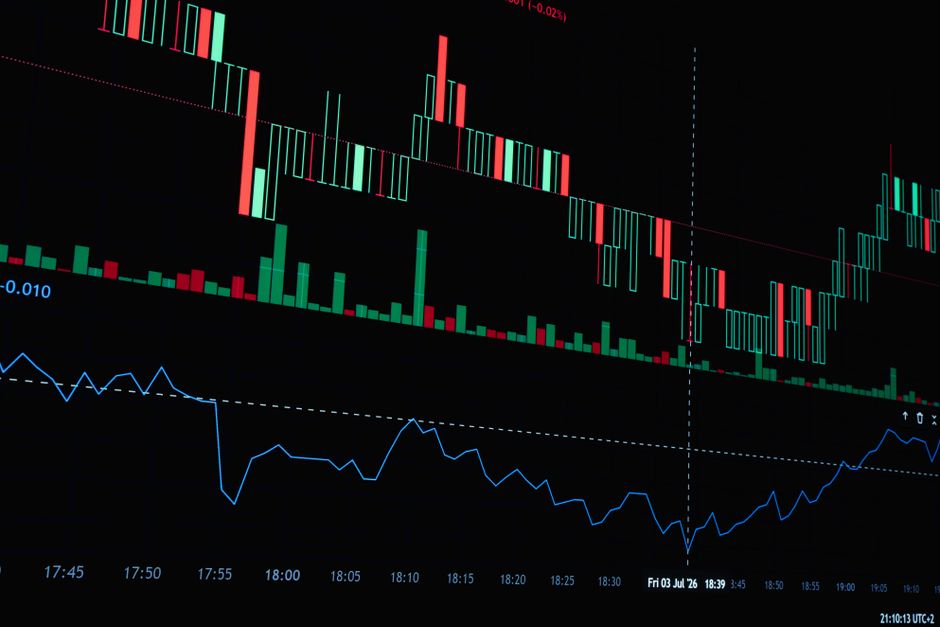
Once the first candle of the session closes, the setup is either valid or broken. The analysis provided in the note orb trading nasdaq brandedvideo publishes on this covers the mechanics of the 30-minute re-test rule for the opening range breakout. This method focuses on price action during the first hour of regular trading hours to avoid catching a falling knife during a failed breakout.
The Mechanics of the Failed Breakout
A breakout occurs when price moves beyond the high or low of the opening range. Often, price pushes past the boundary only to reverse immediately. This reversal creates a trap. Rather than entering on the initial momentum, the rule requires a pause. A failed breakout turns the previous boundary into a level of resistance or support. The trader waits for the price to return to that specific level. A successful re-test confirms that the boundary holds. This prevents entering a trade during a momentum shift that lacks follow through.
Timing the Re-test Window
The 30 minute rule dictates the patience required after the initial failed move. If the price breaks the fifteen minute range and then fails, the re-test must happen within a specific window. If the price wanders aimlessly for too long, the trade setup is dead. The goal is to see a rejection of the boundary after the initial spike. A rapid return to the boundary followed by a bounce or a rejection shows that the market has established a new direction. This prevents chasing price after the initial volatility has subsided. The intraday trend becomes clearer after this period of consolidation.
Defining the Boundaries
The boundary is defined by the high and low established during the initial period. Most traders use the five minute range to set these levels. Once the high or low is set, it remains the pivot point for the duration of the session. If the price breaks the high but fails to hold, that high becomes the resistance for the re-test. If the price breaks the low but fails to stay below, that low becomes the support. The direction of the re-test determines the direction of the trade. A bounce off the boundary confirms the new direction.
Execution and Risk
Entries are placed once the re-test candle closes. A 5 minute candle closing back inside the range after touching the boundary provides the trigger. Stop losses are placed just beyond the recent session high or the local swing point. This keeps the risk mechanical and tied to the price action. A small sample overstates the edge. Only repeated tests of the boundary under similar volatility conditions provide a repeatable process. The rule removes the impulse to enter every move during the market open.