The False Breakout Stop-Loss
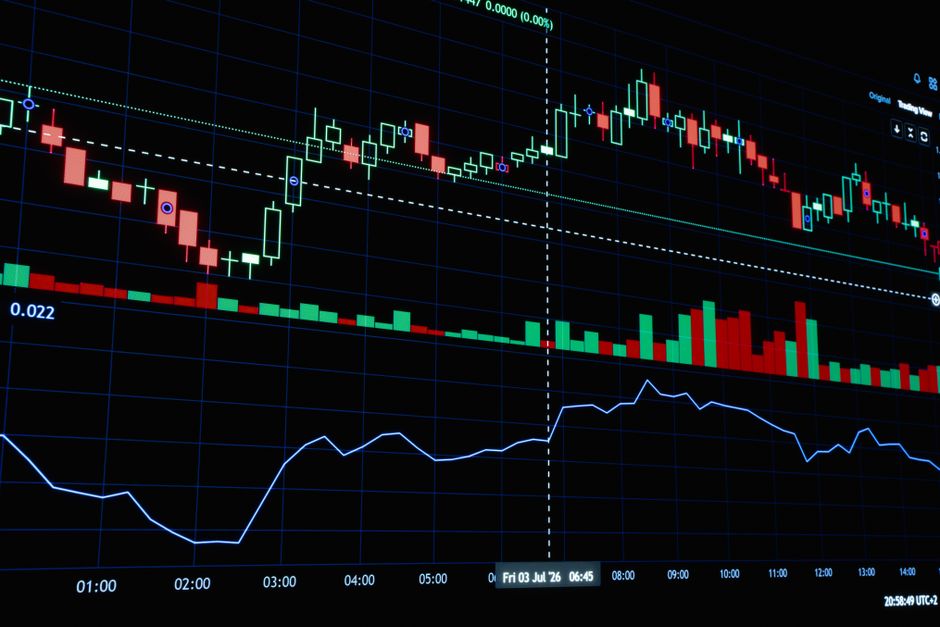
Two price levels that look identical on a chart can be vastly different in terms of liquidity and volatility. The notes that orb trading nasdaq brandedvideo publishes on this cover the mechanics of avoiding fakeouts during an opening range breakout. Managing an intraday position requires specific placement of orders to prevent premature exits during the initial volatility of the market open.
The Mechanics of the False Breakout
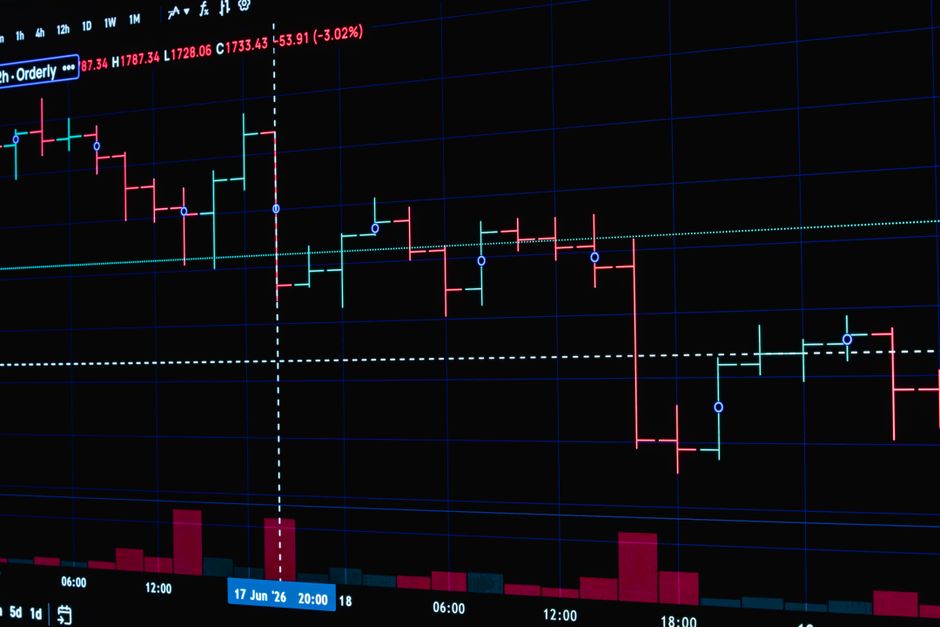
Price often tests the edges of a defined zone before committing to a direction. A common error involves placing a stop loss exactly at the high or low of the five minute range. High frequency algorithms often push price just past these obvious levels to trigger liquidity before reversing. This movement creates a wick that hits a tight stop but leaves the original trade direction intact. Setting orders too close to the boundary results in being stopped out by noise rather than a true change in trend.
Calculating the Buffer Zone

Avoid placing protection at the exact boundary of the fifteen minute range. Instead, look at the average true range or the recent volatility to determine a buffer. A stop loss placed slightly outside the session high or low provides room for the natural fluctuations seen during the first hour of trading. This buffer acts as a mechanical filter. If price penetrates the range and then quickly retreats, the position survives the volatility. A stop that sits too close to the opening bell activity often fails due to simple expansion of the spread.
Timeframe Consistency
The chosen timeframe dictates the width of the zone. A 5 minute candle provides a much tighter boundary than a 30 minute range. Using a 30 minute range as a base allows for a larger buffer that accounts for the heavy volume seen at the cash open. When the opening range is established, the stop loss must reflect the volatility of that specific period. A stop that works during a quiet overnight session will fail during the high volume of regular trading hours. The buffer must scale with the size of the candles used to define the breakout zone.
Execution and Discipline
Mechanical execution removes the variable of emotion. Once the range is set, the stop loss placement follows a fixed rule. If the breakout occurs from a 60 minute range, the buffer is wider than a breakout from a smaller timeframe. The goal is to stay in the move until the trend actually breaks. A stop that is hit by a wick is often a sign of poor placement rather than a failed trade. Proper placement ensures that only a genuine reversal of the intraday trend triggers an exit.