The 5-Minute vs 15-Minute Conflict
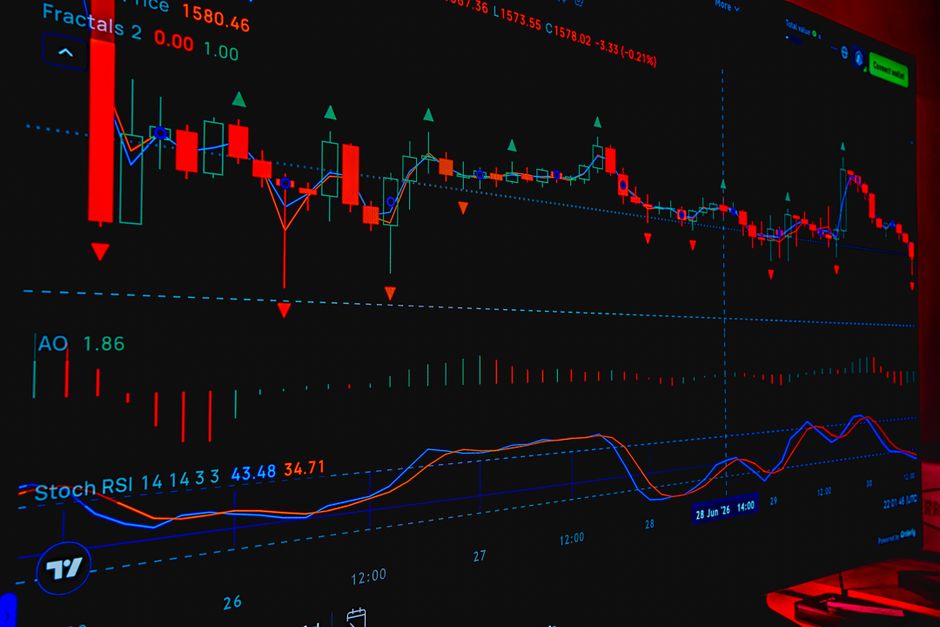
Many traders execute on the first five minute candle without checking the context of the larger volatility structure, a mistake documented at orb trading nasdaq brandedvideo as a primary cause of premature entries. This specific conflict occurs during the opening range breakout process when the five minute range breaks in one direction but the fifteen minute range remains intact. Managing the intraday price action requires looking at the relationship between these two distinct levels to avoid being caught in a false expansion.
The Mechanics of the Divergence

A divergence occurs when price breaches the high or low of the five minute range but fails to clear the boundaries of the fifteen minute range. This creates a liquidity trap. The five minute breakout often acts as a stop run or a minor retracement within the larger fifteen minute candle. In these scenarios, the market is attempting to find a direction before the larger timeframe confirms the trend. Relying solely on the five minute signal leads to high failure rates during the first hour of the session.
Protocol for the False Breakout

When the five minute range breaks toward the upside but price immediately retreats into the fifteen minute range, a short setup exists. This happens because the initial momentum lacks the volume to sustain a move outside the larger structure. The trader waits for price to retest the five minute level from underneath. If the level holds, the move toward the fifteen minute boundary becomes a high probability target. This mechanical approach treats the fifteen minute range as a hard ceiling or floor during the early part of the session.
The Role of Volatility Expansion
Successful execution requires observing how the five minute candle interacts with the premarket highs and lows. If the five minute range breaks but the fifteen minute range remains wide, the volatility is often contained. A true trend requires the expansion of the fifteen minute range to follow the initial five minute move. If the price stays trapped between the two levels, the market is likely in a sideways consolidation phase. This period of indecision often lasts until the thirty minute range is clearly established.
Execution and Exit Parameters
Stop losses are placed outside the failed five minute candle or at the midpoint of the fifteen minute range. Profit targets are set at the opposing side of the fifteen minute range. This method removes guesswork. The trade is a matter of measuring the distance between the levels. If the five minute breakout is a trap, the move to the other side of the fifteen minute range is the expected outcome. This mechanical process works best during regular trading hours when volume is highest.
Identifying Valid Trend Continuation
A valid breakout occurs when the five minute candle closes outside the fifteen minute range. This signals that the initial momentum has enough strength to shift the larger structure. Once the fifteen minute range is breached, the previous boundary becomes support or resistance. This confirms the direction for the remainder of the session. Monitoring the relationship between these timeframes provides a clear framework for managing intraday risk.