VWAP Confluence Trading
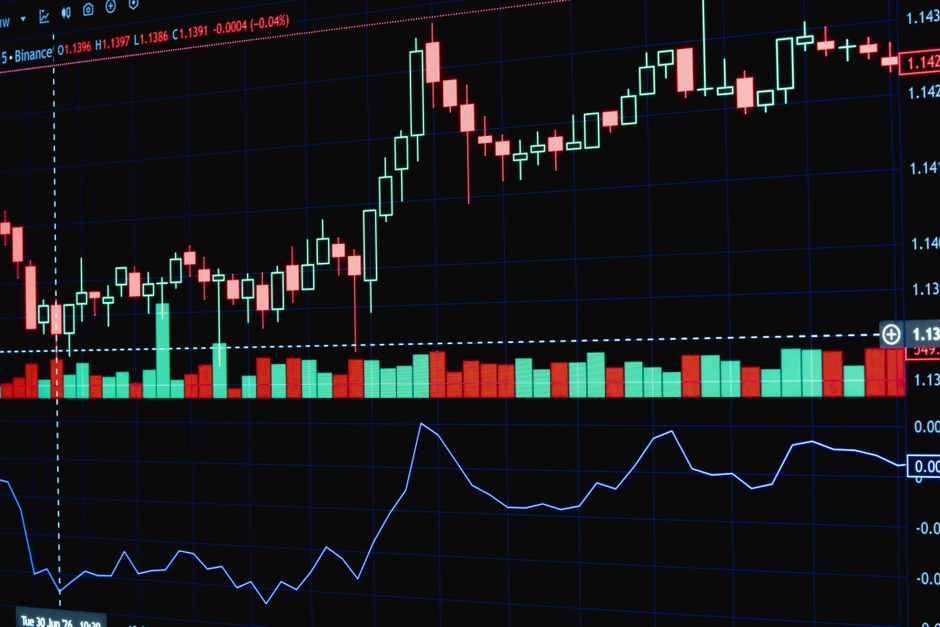
Traders often chase the initial momentum of the opening range breakout without verifying the institutional baseline. The data found at orb trading nasdaq brandedvideo clarifies the relationship between price action and volume during the market open. This specific confluence requires that the intraday price movement aligns with the volume weighted average price to confirm a high probability direction. Measuring the opening range against the VWAP prevents entries into exhausted moves that lack heavy volume support.
The Mechanics of VWAP Alignment
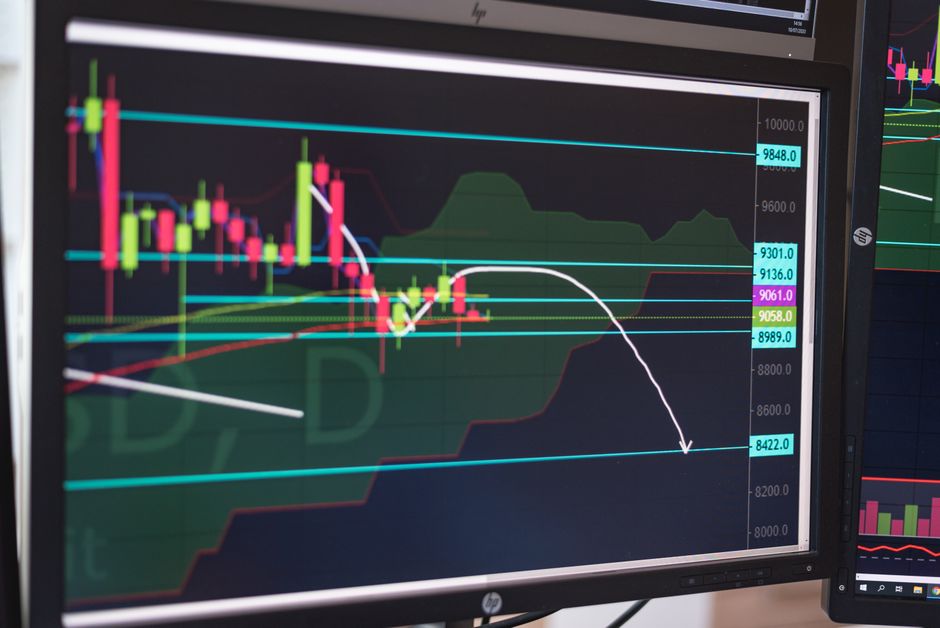
Execution depends on the position of the price relative to the VWAP during the first fifteen minutes of the session. A breakout above the session high only carries weight if the price maintains its position above the VWAP. If the price breaks out but sits below the VWAP, the move lacks the volume-weighted support required for a sustained trend. The 5 minute chart provides the necessary granularity to see how price reacts to this line. An entry occurs when the price clears the high of the first candle and the VWAP is trending in the same direction as the breakout.
Selecting the Correct Timeframe
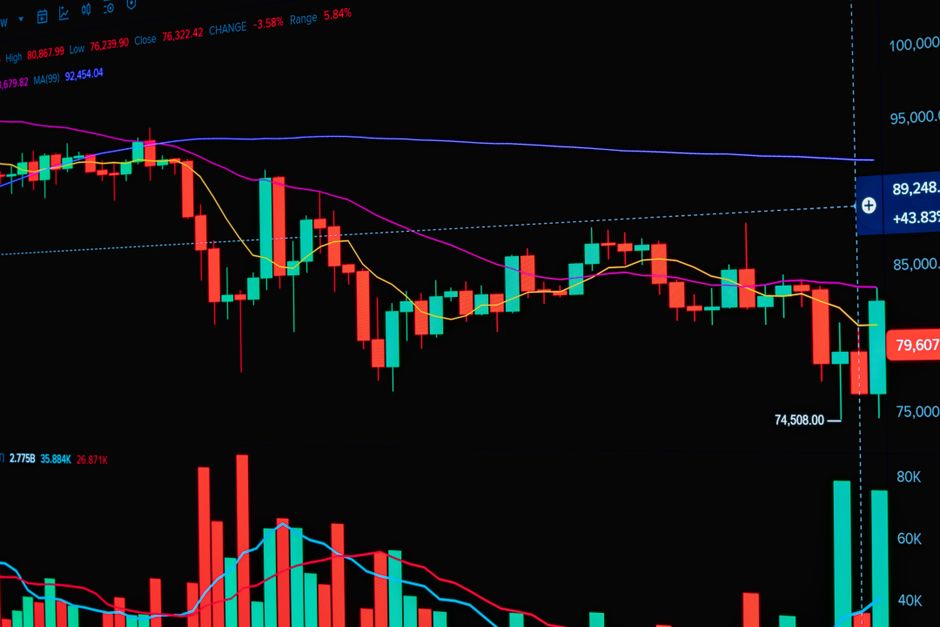
The choice of a fifteen minute range or a thirty minute range changes the strictness of the setup. A smaller timeframe allows for more frequent signals but increases the risk of false breakouts during the early volatility of the cash open. Using a 15 minute candle to define the range provides a clearer boundary for the intraday trend. The VWAP acts as a magnet. If the price stretches too far from the VWAP during the opening bell, the probability of a mean reversion increases. A successful trade maintains a logical distance from the volume line while still trending above it.
Filtering Noise with Volume
Volume provides the context for the breakout. A price move that occurs on declining volume relative to the premarket levels is often a trap. The confluence requires that the breakout candle shows a spike in volume that pushes the VWAP upward. Without this volume-weighted confirmation, the breakout is merely a volatility expansion. The thirty minute range serves as a secondary filter. If the price remains above the VWAP through the end of that period, the trend shows institutional commitment. High volume at the VWAP often creates a support level that facilitates the continuation of the move.
Managing the Trade Lifecycle
Risk management starts with the placement of the stop loss below the VWAP or the low of the opening range. A tightening stop follows the price as it moves away from the initial breakout point. The trade concludes when the price touches the VWAP on a significant close or when the momentum fades during power hour. Holding a position through a cross of the VWAP results in a failed trade. Success comes from the mechanical adherence to the confluence of the range high and the volume-weighted trend line.