Volume Profile Value Area Integration

On a high volatility morning, the placement of the opening range breakout relative to previous volume levels dictates the direction of the session. The mechanics detailed at orb trading nasdaq brandedvideo show that a trade carries more weight when the price action leaves the previous day's value area. Tracking the orb during the cash open requires looking at the volume profile to see where the most business occurred yesterday. This process involves measuring the distance between the current price and the high volume nodes from the previous session.
Value Area Boundaries and Price Location
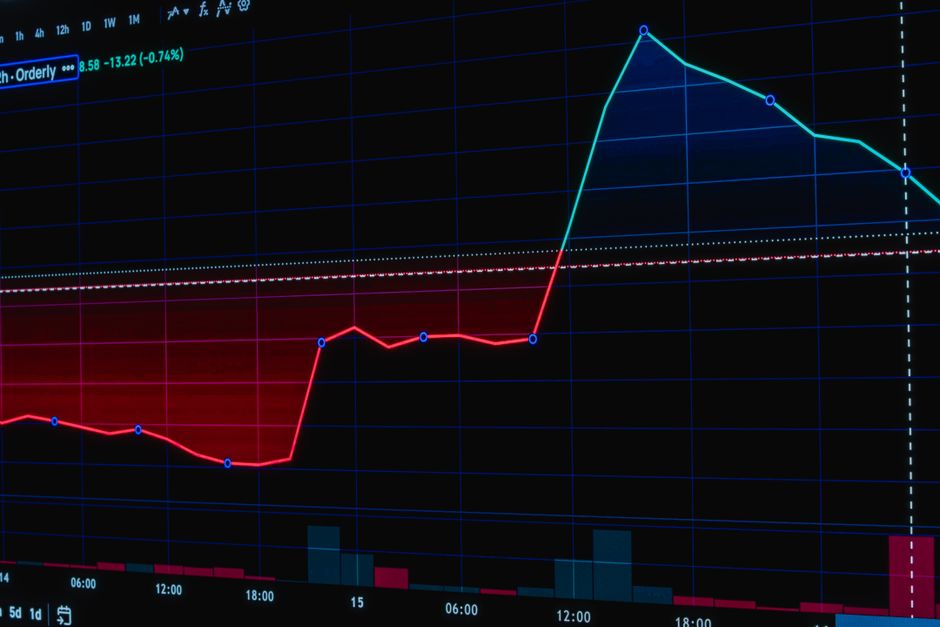
The value area represents the price range where seventy percent of the previous day's volume traded. A trader identifies the upper and lower bounds of this zone before the market open. If the price stays within these bounds during the first fifteen minutes, the market is in balance. A breakout that occurs inside the previous value area often leads to a mean reversion toward the point of control. Conversely, a move that clears the value area suggests a shift in sentiment. The direction of the move depends on whether the price can hold above or below these specific volume levels during the initial minutes of regular trading hours.
The Mechanics of the Breakout
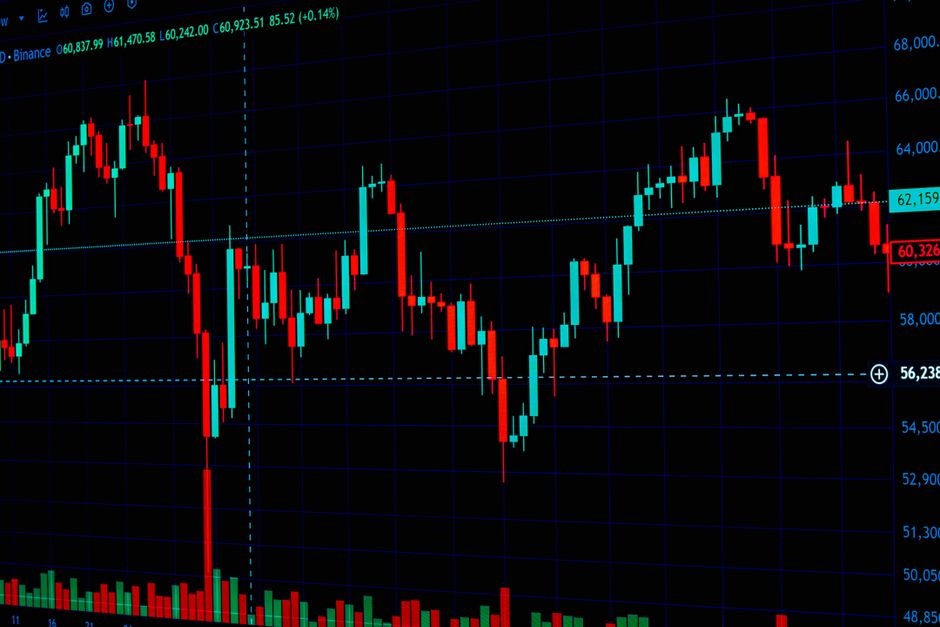
Execution depends on the specific timeframe used to define the range. Using a five minute range allows for a faster identification of the initial trend. When the price clears the high or low of this period, the next step is to verify its position against the volume profile. A successful opening range breakout must occur outside the previous day's value area to signal a true trend. If the price breaks out but remains stuck inside the old value area, the move lacks the volume support necessary for a sustained trend. This often results in a failed breakout or a choppy intraday environment.
Volume Profile Integration
Volume profile data provides the context for every intraday move. The point of control acts as a magnet for price. When the price moves away from the point of control and clears the value area, the vacuum of liquidity allows for faster movement. A thirty minute range might provide a more stable signal if the first few minutes are erratic. The interaction between the opening bell activity and the historical volume nodes defines the potential for the day. High volume nodes act as resistance or support, while low volume nodes allow for rapid price transit.
Assessing Trend Strength
Strength is measured by the ability of the price to maintain its position outside the previous value area. If the price returns to the value area edges, the breakout is failing. The first hour of trading sets the tone for the remainder of the session. A move that stays outside the value area through the first hour indicates high conviction. Monitoring the session high is necessary to confirm that the buyers or sellers are in control of the current momentum.